Choosing the right insulation material for your Alhambra home is one of the most impactful decisions you can make for comfort and energy efficiency. Alhambra sits in California’s Climate Zone 9, where summers routinely push attic temperatures above 140°F, winter nights dip into the low 40s, and dry Santa Ana winds occasionally raise wildfire risk concerns. While ocean humidity from the nearby coast is moderate, it is enough to affect certain insulation materials over time.
At the center of every insulation decision is R-value — a measure of thermal resistance. The higher the R-value, the better the material resists heat flow. In Alhambra’s hot, sun-intensive climate, selecting the correct R-value for each part of your home directly determines how hard your HVAC system works and how much you pay every month on utility bills.
Read moreShow less
This guide breaks down every major insulation material available to Alhambra homeowners, compares their real-world performance in our local climate, and helps you understand which option suits your attic, walls, or crawl space best.
Understanding Insulation Types for Alhambra Homes
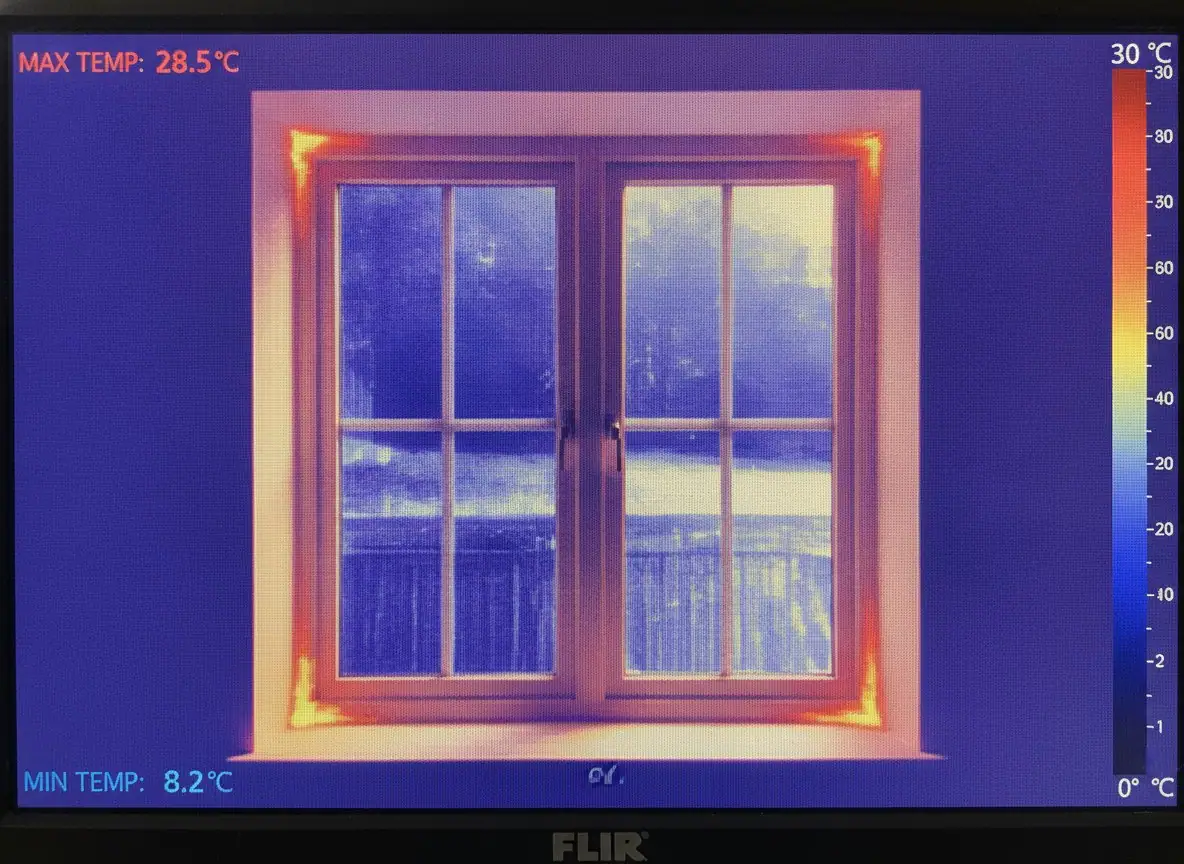
Insulation materials fall into several broad categories: loose-fill, batt and roll, spray-applied, rigid board, and structural insulated panels. Each behaves differently under thermal stress, moisture exposure, and installation constraints — all factors that matter in Alhambra’s specific environment.
Alhambra’s housing stock skews older. Many homes were built between the 1930s and 1970s, featuring 2×4 wall framing, minimal original insulation, and conventional wood-framed attics. These structural realities limit which materials can be added without major renovation. Blown-in and spray foam products, for example, excel in retrofit situations because they conform to existing cavities without tearing out drywall.
Read moreShow less
California’s Title 24 Building Energy Efficiency Standards govern new construction and significant renovations throughout Alhambra. For Climate Zone 9, Title 24 recommends a minimum of R-38 in attics and R-13 in exterior walls for most residential projects. Older homes rarely meet these benchmarks, making upgrades both code-relevant and financially sensible.
Understanding the difference between air-impermeable and air-permeable insulation is also critical here. Materials like closed-cell spray foam block both heat transfer and air infiltration simultaneously, while batts reduce heat conduction but require a separate air barrier. In a climate with extreme summer heat, controlling air leakage alongside thermal resistance significantly amplifies energy savings.
How Alhambra’s Climate Affects Your Insulation Material Choice
Alhambra’s position in the San Gabriel Valley creates a climate that is hotter and drier than coastal Los Angeles but still influenced by marine air moving inland. Average summer highs reach the low 90s°F, but attic spaces under a dark roof can exceed 140°F on peak days. This creates enormous pressure on any insulation system tasked with keeping living spaces cool without over-relying on air conditioning.
For attics, the priority is maximum R-value combined with air sealing. Blown-in cellulose or fiberglass reaching R-38 or higher is the standard baseline for Title 24 compliance. Spray foam applied to the roof deck creates a conditioned attic — a worthwhile investment when HVAC equipment is attic-mounted, which is common in Alhambra tract homes.
Read moreShow less
For existing walls in older Alhambra homes, dense-pack cellulose or blown-in fiberglass offers the most practical retrofit path without drywall removal. New construction or full renovations can accommodate spray foam or mineral wool batts for superior thermal and acoustic performance.
For crawl spaces, moisture management is the primary concern. Rigid XPS foam or closed-cell spray foam on foundation walls combined with a vapor barrier is the recommended approach to prevent ground moisture from degrading insulation performance over time.
Alhambra’s moderate wildfire risk — elevated during Santa Ana wind events — makes fire-resistant materials like mineral wool and cellulose (borate-treated) worth considering for exterior-adjacent assemblies. Always verify current California building codes with a licensed contractor before selecting materials for a permitted project.
Free, no-obligation estimates
Talk to Alhambra Insulation Masters
Tell us what you need and we’ll take it from there.
Insulation Materials Available in Alhambra, CA
Spray Foam Insulation
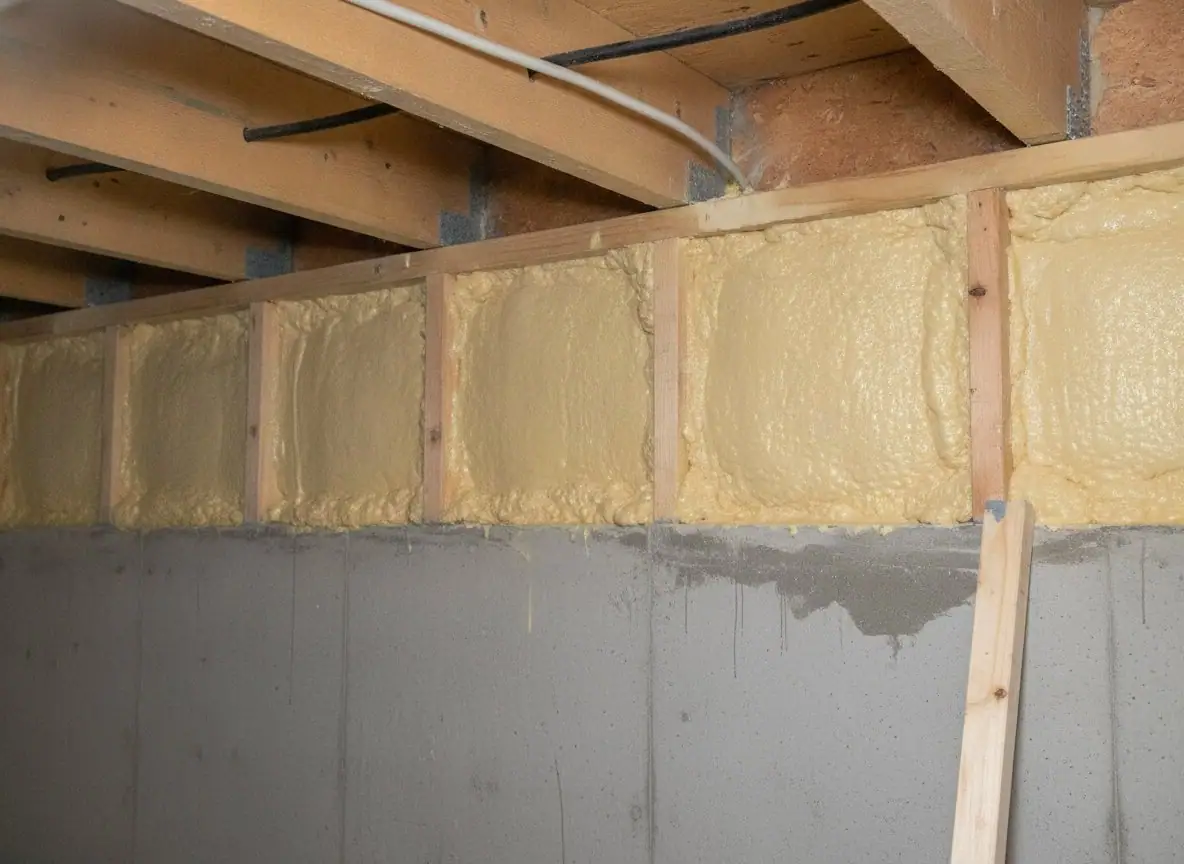
Spray polyurethane foam (SPF) is applied as a liquid that expands and hardens on contact. It comes in two forms: open-cell (R-3.5 to R-4 per inch) and closed-cell (R-6 to R-7 per inch). Closed-cell spray foam is exceptional in Alhambra because it creates an airtight thermal barrier that resists the intense radiant heat from sun-baked roofs. It also adds structural rigidity and resists moisture vapor — a benefit in homes near the coastal air corridor. Open-cell is more affordable and performs well in interior wall cavities. The primary drawbacks are cost and the need for professional installation. Pros: best air sealing, highest R-value per inch, moisture resistant. Cons: most expensive option. Best for: attic underdecking, rim joists, hard-to-reach cavities. Cost: $1.50–$4.50 per square foot installed.
Blown-In (Loose-Fill) Insulation
Loose-fill insulation — typically fiberglass or cellulose — is machine-blown into attic floors and enclosed wall cavities. R-values range from R-2.2 to R-3.8 per inch depending on material and density. It is one of the most practical choices for Alhambra’s aging housing stock because it fills irregular spaces, gaps around rafters, and existing wall cavities without demolition. Fiberglass loose-fill is lightweight and non-combustible, while cellulose loose-fill offers superior density and air resistance. Both are cost-effective for achieving the R-38 attic standard required by California Title 24. Pros: affordable, great coverage, retrofit-friendly. Cons: can settle over time, requires vapor consideration in crawl spaces. Best for: attic floors, existing wall retrofits. Cost: $1.00–$2.50 per square foot installed.
Fiberglass Batt Insulation
Fiberglass batts are the most widely recognized insulation product — pre-cut panels of spun glass fiber designed to fit standard 16-inch or 24-inch stud and joist spacing. R-values run from R-11 (3.5-inch batt) to R-38 (10-inch batt). They are non-combustible and resistant to moisture damage, making them a reasonable choice for Alhambra’s dry climate. However, batts must be carefully installed without gaps, voids, or compression, or thermal performance drops sharply. In Alhambra’s older 2×4 walls, fitting higher R-value batts can be challenging. Pros: inexpensive, widely available, DIY-accessible. Cons: performance-sensitive to installation quality, poor air sealing on its own. Best for: new construction walls, open attic floors, floors over crawl spaces. Cost: $0.50–$1.50 per square foot installed.
Mineral Wool / Rockwool Insulation
Mineral wool (also sold as Rockwool or slag wool) is made from volcanic rock or recycled steel slag spun into dense, fire-resistant batts or boards. R-values range from R-3 to R-4.2 per inch. Mineral wool is naturally non-combustible — it withstands temperatures exceeding 1,000°F — making it a standout choice for Alhambra neighborhoods in or near wildfire risk zones. It also provides excellent sound dampening and handles intermittent moisture better than standard fiberglass. The denser composition means it holds its shape and fills cavities more completely. Pros: fire resistant, superior soundproofing, moisture tolerant. Cons: higher cost than fiberglass batts, heavier to handle. Best for: exterior walls, garage walls, fire-risk areas, interior sound barriers. Cost: $1.00–$2.00 per square foot installed.
Cellulose Insulation
Cellulose is made from recycled paper treated with borate fire retardants. It achieves R-3.2 to R-3.8 per inch and is available in blown-in and dense-pack formats. It is among the most environmentally sustainable insulation options and one of the best performers for air infiltration reduction when dense-packed into wall cavities. In Alhambra’s climate, cellulose excels at blocking conducted heat and has a natural moisture-buffering capacity — though it should not be used where chronic moisture exposure is likely. Dense-pack cellulose is ideal for upgrading Alhambra’s older wood-framed walls without opening up interior surfaces. Pros: eco-friendly, strong air resistance when dense-packed, cost-effective. Cons: can absorb moisture if installation is poor, requires professional equipment. Best for: existing wall cavities, attic floors. Cost: $0.75–$2.00 per square foot installed.
Foam Board (Rigid) Insulation
Rigid foam panels — including EPS (expanded polystyrene), XPS (extruded polystyrene), and polyisocyanurate — deliver R-4 to R-8 per inch in a thin, manageable panel format. They are highly effective when applied continuously over wall sheathing or under roof decking to eliminate thermal bridging through studs. In Alhambra new construction and major renovations, polyiso boards are popular for exterior wall assemblies because they meet Title 24 continuous insulation requirements efficiently. XPS is moisture-resistant and appropriate for crawl space walls and foundations. Pros: high R-value per inch, eliminates thermal bridging, moisture resistant (XPS). Cons: requires careful sealing at seams, some products have higher environmental impact. Best for: exterior walls, roof decks, foundation walls, crawl spaces. Cost: $1.00–$3.00 per square foot installed.
Why Alhambra Homeowners Trust Alhambra Insulation Masters for Insulation
When Alhambra homeowners need reliable guidance and skilled installation across every insulation material type, Alhambra Insulation Masters delivers consistent results. Here is what sets our team apart:
Expertise Across All Insulation Types:
Expertise Across All Insulation Types:Our installers are trained and experienced with spray foam, blown-in, batt, mineral wool, cellulose, and rigid foam — so we recommend what genuinely fits your home, not just what we happen to stock.
Licensed and Insured:
Licensed and Insured:We are fully licensed by the State of California and carry comprehensive liability and workers’ compensation insurance on every job.
Manufacturer-Certified:
Manufacturer-Certified:Our team holds certifications from leading insulation manufacturers, ensuring products are installed to spec and warranties remain valid.
Free Insulation Assessment:
Free Insulation Assessment:We provide a no-cost, no-obligation evaluation of your current insulation, identifying gaps, code deficiencies, and upgrade opportunities.
Warranty Coverage:
Warranty Coverage:All installations are backed by a workmanship warranty alongside applicable manufacturer product warranties for your long-term peace of mind.
Local Energy Code and Rebate Knowledge:
Local Energy Code and Rebate Knowledge:We stay current on California Title 24 requirements and available utility rebates — including Southern California Edison and SoCalGas programs — so you can maximize financial incentives on every project.
FAQ
Insulation Materials FAQ for Alhambra Homeowners
What is the best insulation type for Alhambra’s climate?
There is no single best material — the right choice depends on location within your home and project type. For attic retrofits in Alhambra, blown-in cellulose or fiberglass offers the best combination of cost, coverage, and R-value. For whole-attic air sealing combined with insulation, spray foam applied to the roof deck is highly effective. For walls in older homes, dense-pack cellulose provides excellent retrofit performance without demolition.
What R-value is recommended for Alhambra homes?
California Title 24 for Climate Zone 9 recommends a minimum of R-38 in attics and R-13 in exterior walls for most residential projects. Many energy efficiency experts suggest going to R-49 or higher in attics for maximum savings in Alhambra’s intense summer heat. Crawl space floors should target R-19, and foundation walls benefit from R-10 or higher with continuous coverage.
How do insulation material costs compare in Alhambra?
Fiberglass batts are the most affordable at roughly $0.50–$1.50 per square foot installed, followed by blown-in fiberglass and cellulose at $1.00–$2.50. Mineral wool batts run $1.00–$2.00. Rigid foam boards range from $1.00–$3.00 depending on type. Spray foam is the most expensive at $1.50–$4.50 per square foot but often delivers the fastest payback in energy-intensive climates like Alhambra’s due to its dual air-sealing and insulating performance.
What is the difference between attic and wall insulation needs?
Attic insulation in Alhambra must address extreme radiant and conducted heat from the roof. High total R-values and, ideally, some air sealing capacity are critical. Wall insulation primarily manages conducted heat through the building envelope and also affects indoor noise levels. Wall cavities are physically limited by stud depth, making high-R-per-inch materials like spray foam or rigid foam more important there than in open attic floors where depth is less constrained.
How much can I save on energy bills by upgrading insulation in Alhambra?
The U.S. Department of Energy estimates that homeowners can save 10–20% on total heating and cooling costs by properly air sealing and insulating. In Alhambra, where air conditioning runs heavily from May through October, the savings potential is significant. Homes with little or no existing attic insulation often see the most dramatic reductions — sometimes $300–$600 per year depending on home size and prior insulation state.
Are there rebates or tax credits available for insulation in California?
Yes. Southern California Edison and SoCalGas both offer rebates for qualifying insulation upgrades under their Energy Efficiency programs. The federal Inflation Reduction Act (IRA) provides a tax credit of up to 30% (capped at $1,200 per year) for insulation materials that meet Energy Star criteria. California’s Energy Upgrade California program may offer additional incentives depending on current funding. A knowledgeable local contractor can confirm which rebates apply to your specific project at the time of assessment.
Can I add insulation to existing walls without removing drywall?
Yes. Dense-pack blown-in insulation — using cellulose or fiberglass — can be injected into existing wall cavities through small holes drilled from the exterior siding or from the interior, then patched. This is the standard retrofit method used in Alhambra’s older housing stock. It requires professional equipment and technique to achieve proper density without voids, so it is not a practical DIY project, but it avoids the cost and disruption of full drywall removal.
How long does insulation last in an Alhambra home?
Most quality insulation materials — fiberglass, mineral wool, and rigid foam — retain their thermal performance for 40–80 years when properly installed and kept dry. Cellulose may settle slightly over 10–15 years, reducing effective R-value by a small margin, but generally remains serviceable for decades. Spray foam, once cured, is highly durable. The main threats to longevity are moisture intrusion, pest damage, and physical disturbance during renovation work.
Get a Free Insulation Assessment in Alhambra
Not sure which insulation material is right for your Alhambra home? Alhambra Insulation Masters offers a free, no-obligation insulation assessment for homeowners throughout Alhambra and the surrounding San Gabriel Valley. Our licensed and insured team will evaluate your current insulation levels, identify air sealing needs, and provide honest, straightforward recommendations matched to your budget and Alhambra’s climate demands.
Whether you are upgrading an aging attic, insulating a new addition, or exploring California rebate programs to offset costs, we have the expertise to guide every step of the process. Call us today at 626-790-7419 to schedule your free assessment and start reducing energy bills with the right insulation solution for your home.
Why choose us
Why choose Alhambra Insulation Masters?
Free estimates
Get a clear, no-obligation estimate before any work begins.
Licensed & insured
Your property and our crew are protected on every project.
Residential & commercial
One team for homes, multi-family and commercial properties.
Locally owned & operated
A local team serving your community and the surrounding area.
Get in touch
Find insulation help near you
Request a free estimate online or give us a call — our team will follow up quickly.
- Call us(626) 790-7419
- Visit901 S Fremont Ave, Alhambra, CA 91803
- HoursMon-Sun 07:00-19:00