
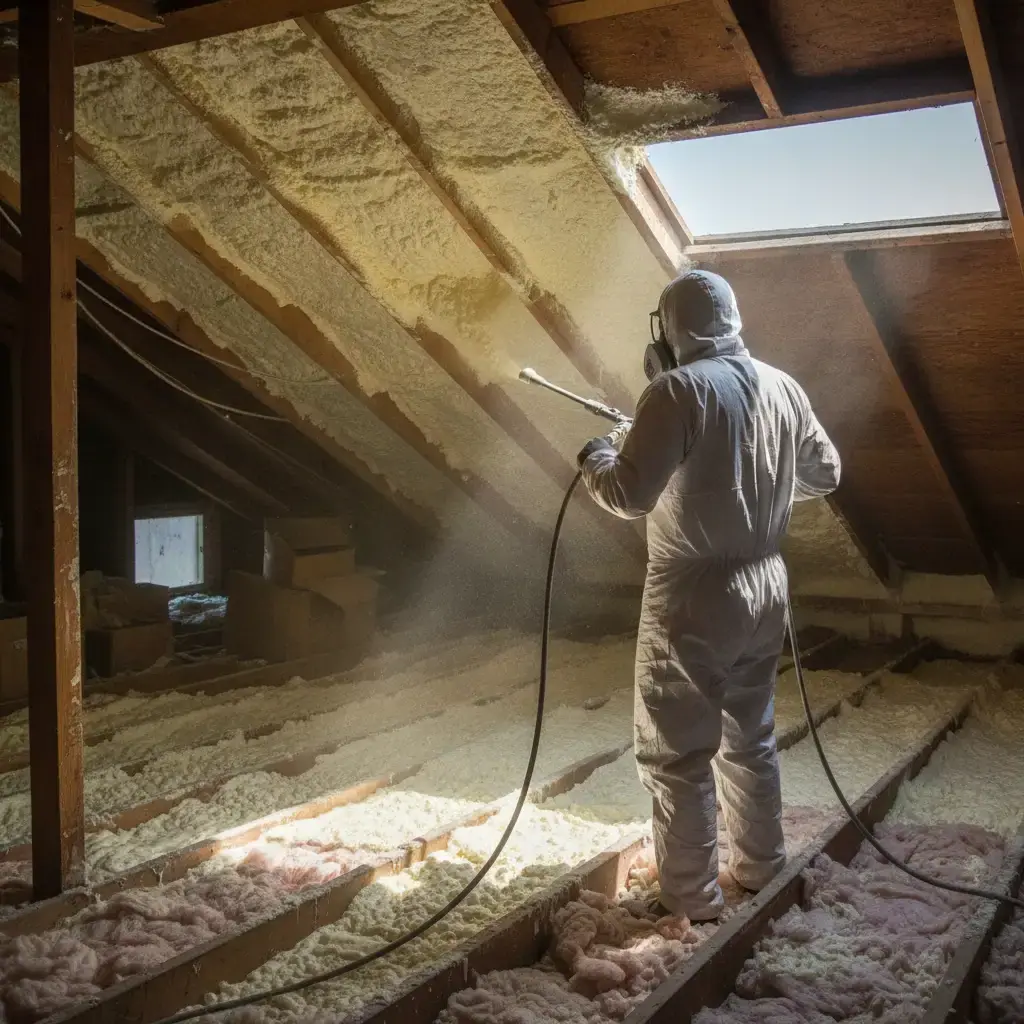
Garage Insulation in Alhambra, CA
Energy-Saving Garage Insulation for Alhambra, CA Homes — Licensed & Insured
Expert garage insulation in Alhambra, CA. Spray foam, blown-in & batts. Serving all Alhambra neighborhoods. Free estimates. Call (626) 790-7419 today.
Garage insulation is the process of installing thermal and acoustic barrier materials within your garage’s walls, ceiling, and door systems to regulate temperature, reduce energy loss, and improve comfort throughout your home. In Alhambra, CA, where summer temperatures routinely climb above 95°F in the San Gabriel Valley basin and winter nights dip into the low 40s, an uninsulated garage acts as a direct conduit for heat and cold into your living space.
At Alhambra Insulation Masters, we specialize in comprehensive garage insulation solutions tailored to the specific construction styles, climate demands, and building codes of the Alhambra area. Whether your home was built during Alhambra’s post-war residential boom of the 1940s and 1950s or is part of a newer development near Atlantic Boulevard, our team understands the local building stock and delivers insulation installations that perform under Southern California’s unique thermal conditions. Call us today at (626) 790-7419 to schedule your free assessment.

Understanding Garage Insulation in Alhambra, CA
Garage insulation encompasses a range of products and techniques designed to create a thermal envelope around your garage space. Unlike interior living areas, garages are frequently uninsulated or under-insulated, making them the largest uncontrolled thermal zone in a residential property. This matters enormously in Alhambra, where garages are attached to homes at a significantly higher rate than the national average, largely due to the dense, lot-maximizing residential construction patterns that define much of the city’s mid-century housing stock.
Historically, Alhambra’s residential development surged between 1920 and 1960, when thousands of bungalows, Spanish Colonial Revival homes, and ranch-style properties were constructed along corridors such as Fremont Avenue, Valley Boulevard, and Garfield Avenue. Most of these structures were built before modern energy codes existed. The California Title 24 Building Energy Efficiency Standards, which now mandate minimum insulation R-values, were not enacted until 1978, meaning that a significant portion of Alhambra’s housing stock was built with little or no garage insulation in place.
Read moreShow less
Modern garage insulation materials include fiberglass batts, blown-in cellulose, rigid foam board, and spray polyurethane foam. Each product has a measurable R-value, which indicates its resistance to heat flow. In the Los Angeles Basin climate zone — Climate Zone 9 under California’s building standards — garage walls typically require a minimum of R-13, while garage ceilings benefit from R-19 to R-38 depending on their proximity to conditioned living space above.
Beyond thermal performance, garage insulation serves acoustic purposes. Many Alhambra homes sit within 500 to 800 feet of major traffic corridors like the 10 Freeway and Valley Boulevard, where ambient noise levels routinely exceed 65 decibels. Proper insulation reduces sound transmission, creating a quieter indoor environment. Insulation also contributes to moisture management, an increasingly relevant issue as Alhambra experiences more dramatic wet-dry cycles tied to regional climate variability.
Understanding the type of garage you have — attached, detached, converted, or tandem — is the first step in designing an insulation strategy. Each configuration presents distinct thermal challenges that require tailored solutions from an experienced local contractor.
Why Garage Insulation Is Needed in Alhambra, CA
The Urban Heat Island Effect in Alhambra
Alhambra is a fully built-out urban city with minimal tree canopy coverage on many residential blocks, particularly in neighborhoods south of Main Street and around the Alhambra Park area. Dense concrete and asphalt surfaces absorb solar radiation throughout the day and release it slowly at night, a phenomenon known as the urban heat island effect. According to regional climate studies from the Los Angeles County Department of Public Works, temperatures in fully urbanized San Gabriel Valley cities like Alhambra can run 5°F to 8°F higher than surrounding less-developed areas during summer heat events. An uninsulated garage ceiling or wall directly exposed to solar gain on a south- or west-facing elevation can reach internal surface temperatures exceeding 130°F during peak summer afternoons, radiating that heat directly into adjacent living spaces.
The 10 Freeway Corridor and Thermal Bridging
Homes located within a quarter mile of the Interstate 10 Freeway — which bisects Alhambra along its southern boundary — face dual challenges: elevated traffic noise and increased particulate exposure. Many of these homes, concentrated in neighborhoods like the Midwick Tract and areas off New Avenue south of Main Street, were built with minimal wall insulation. The steel framing or older balloon-frame wood construction common in these properties creates significant thermal bridging, where heat bypasses insulating materials through conductive structural members. Without addressing the garage as part of the thermal envelope, conditioned air from inside the home is continuously lost through this uncontrolled zone.
Santa Ana Wind Events and Rapid Temperature Swings
Alhambra is directly in the path of Santa Ana wind events, which typically occur between October and February. During the October 2019 Tick Fire and the January 2021 wind events, gusts exceeding 60 mph were recorded in the San Gabriel Valley. These wind events can drop outdoor humidity to below 10% while spiking temperatures 15°F to 20°F above seasonal norms within hours. Uninsulated garages offer no buffer against these extreme conditions, and the rapid pressure differentials created by high winds actively force unconditioned outside air into the home through garage-to-house interface gaps.
Clay Soil and Foundation Movement
Much of Alhambra sits atop expansive clay soils classified as Montebello and Hanford series by the USDA Web Soil Survey. These soils expand when wet and contract when dry, causing gradual foundation shifts that open gaps in garage wall assemblies over time. Homes in the Almansor Park area and along Hellman Avenue have historically shown evidence of settling-related cracking, creating pathways for air infiltration that defeat even well-installed insulation if not properly addressed as part of a comprehensive garage insulation and air-sealing project.
Energy Cost Pressure from Southern California Edison
Alhambra residents are served by Southern California Edison, where tiered residential electricity rates as of 2024 reach $0.46 per kWh at the highest usage tier. Homeowners who use their garage as a workspace, gym, or storage area for temperature-sensitive items are often running supplemental heating or cooling equipment that operates at peak inefficiency in an uninsulated space, directly driving up monthly utility costs that have increased over 30% in the past five years for many local households.
Free, no-obligation estimates
Talk to Alhambra Insulation Masters
Tell us what you need and we’ll take it from there.
Signs You Need Garage Insulation in Alhambra
Temperature and Comfort Indicators
- Your garage exceeds 100°F during July and August heat waves, even with the door closed
- Rooms adjacent to or above the garage feel noticeably warmer or cooler than the rest of the home
- Your HVAC system runs continuously when outdoor temperatures rise above 90°F in the San Gabriel Valley
- Vehicles parked in the garage show condensation damage or interior heat warping
Energy and Utility Warning Signs
- Monthly electricity bills from Southern California Edison exceed expected seasonal averages by 20% or more
- You notice cold drafts in rooms sharing a wall with the garage during December through February nights
- Supplemental heaters or fans in your garage run almost continuously to maintain a usable temperature
Physical and Structural Symptoms
- Visible gaps or cracks where garage walls meet the ceiling or floor slab
- Existing fiberglass batts that are sagging, compressed, or moisture-stained
- Peeling paint or rust staining on interior garage walls indicating moisture condensation
- A musty or mildew odor in the garage, particularly after winter rainfall events
Urgency Indicators
If your home was built before 1978 and has never had its garage insulation updated, or if you are experiencing multiple symptoms from the categories above simultaneously, this constitutes an urgent situation that warrants immediate professional evaluation. Ongoing thermal loss and moisture infiltration can cause progressive damage to adjacent living space wall assemblies and flooring.
Our process
Our Garage Insulation Process in Alhambra
- 01
Initial Assessment and Thermal Audit (Day 1 — 1 to 2 Hours)
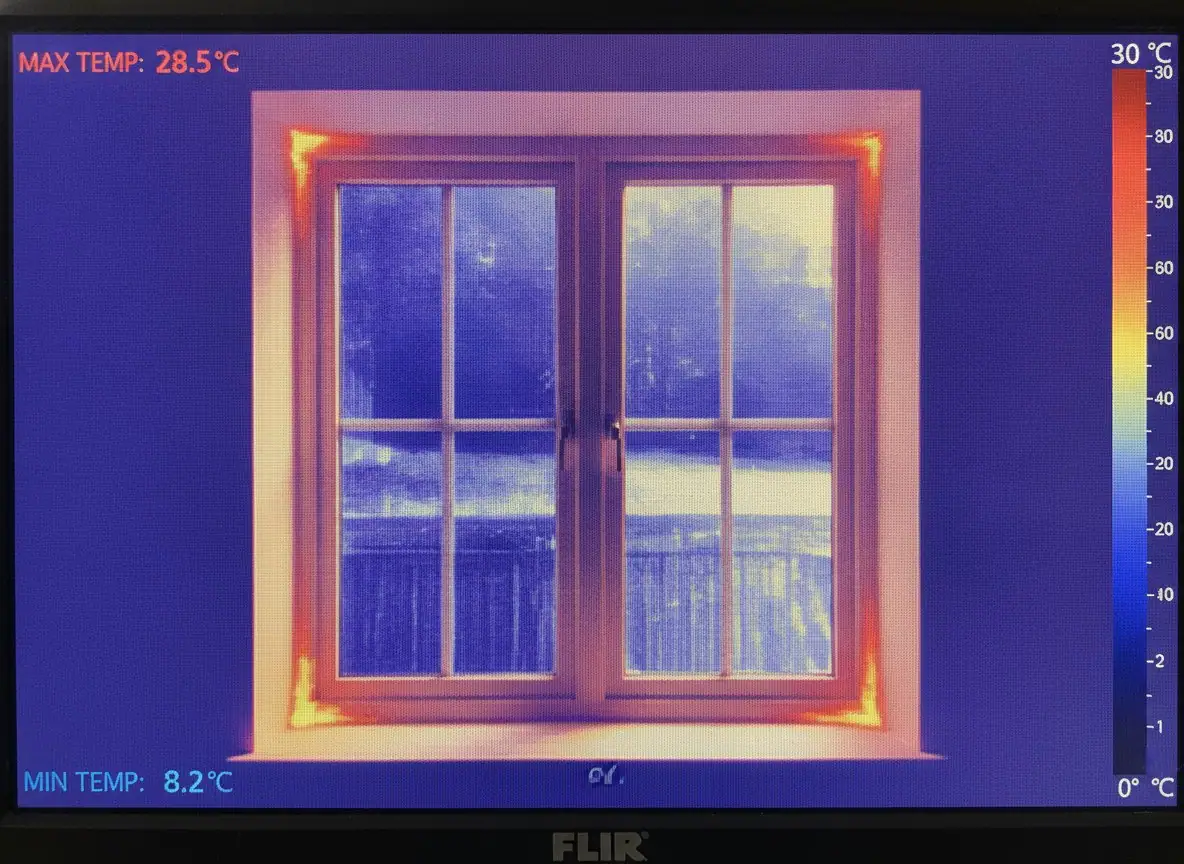
Our certified technicians begin with a thorough on-site inspection of your garage using infrared thermal imaging cameras. This allows us to identify cold spots, thermal bridges, and air infiltration points invisible to the naked eye. We assess garage wall cons
- 02
Air Sealing and Gap Remediation (Day 1 — 1 to 3 Hours)
Before any insulation is installed, we address all air infiltration pathways using low-expansion polyurethane foam sealant and fire-rated caulking compounds. This step is especially important in older Alhambra homes where decades of clay soil movement have cre
- 03
Material Selection and R-Value Planning (Day 1 — 30 Minutes)
We present homeowners with a documented insulation plan specifying the selected material, target R-value, and installation location for each surface. We align our recommendations with California Title 24 requirements for Climate Zone 9 and explain all product
- 04
Removal of Existing Damaged Insulation (Day 1 or 2 — 2 to 4 Hours)
Where compromised insulation exists, our team removes it safely using HEPA-filtered vacuum equipment. All removed material is bagged and disposed of in compliance with Los Angeles County waste regulations.
- 05
Insulation Installation (Day 2 — 3 to 6 Hours)
Installation proceeds systematically from ceiling assemblies downward through walls. Garage door insulation kits or rigid foam panels are fitted last. Our crews are trained in California seismic zone installation practices, ensuring materials do not interfere
- 06
Quality Verification and Thermal Confirmation (Day 2 — 1 Hour)
Upon completion, we perform a post-installation thermal scan to confirm uniform coverage and identify any missed areas. Results are documented photographically and provided to the homeowner.
- 07
Final Walkthrough and Documentation (Day 2 — 30 Minutes)
We review all completed work with the homeowner, provide care and maintenance guidance, and supply all product documentation including manufacturer R-value certification for permit or resale purposes.
Garage Insulation Methods and Approaches
Spray Foam Insulation
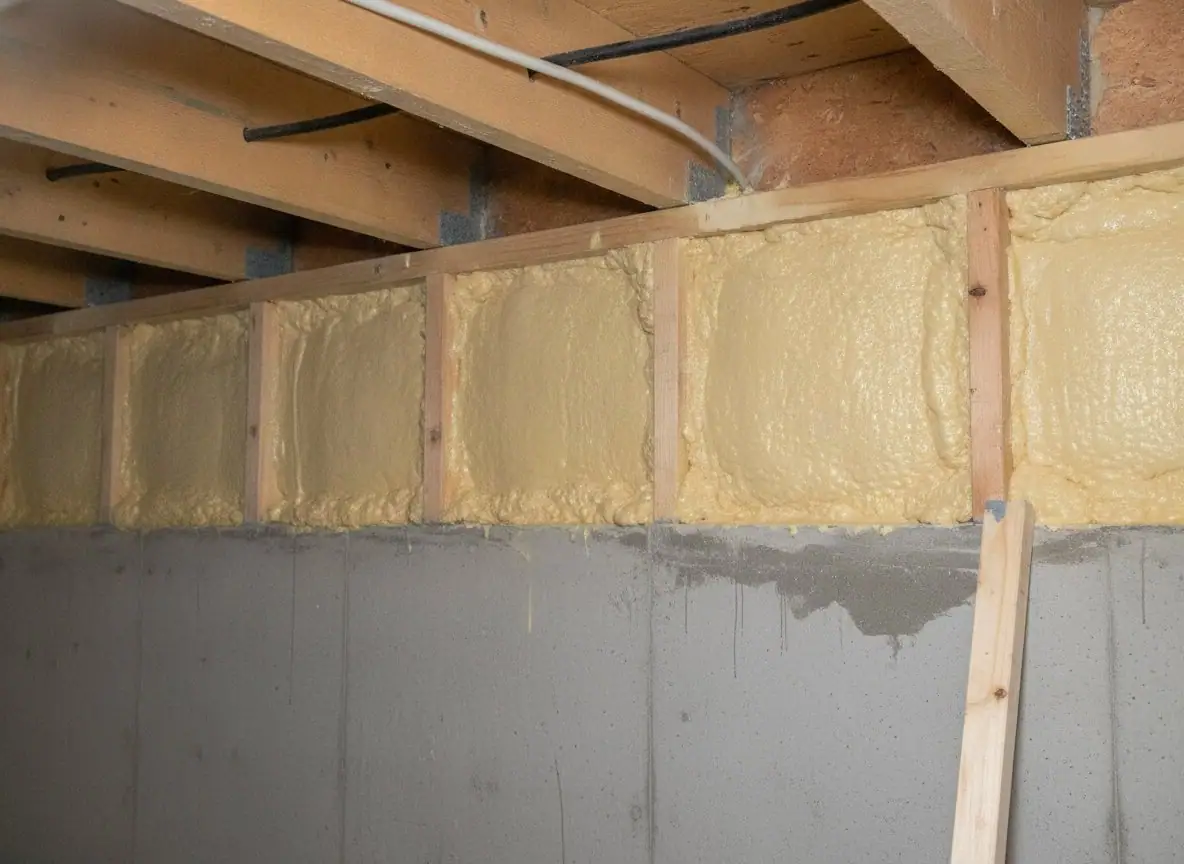
Spray polyurethane foam (SPF) is the highest-performance option for Alhambra garages, delivering both air sealing and thermal resistance in a single application. Closed-cell spray foam achieves R-6 to R-7 per inch, making it ideal for garage ceilings with limited depth above the drywall and for homes near the 10 Freeway where maximum performance in minimum space is required. Open-cell spray foam provides excellent acoustic damping, beneficial for properties on high-traffic streets like Valley Boulevard. Learn more about our spray foam insulation services
Learn moreBlown-In Insulation
Blown-in cellulose or fiberglass is most appropriate for garage attic spaces and ceilings where access is limited and a high R-value is needed cost-effectively. For garages in older Alhambra bungalows with irregular rafter spacing, blown-in material conforms to the existing cavity geometry without custom cutting. Explore our blown-in insulation options
Fiberglass Batt Insulation
Fiberglass batts remain the most common garage wall insulation choice for standard 2×4 and 2×6 stud-framed garages. They achieve R-13 to R-21 in wall cavities and are suitable for DIY-adjacent applications in straightforward open-stud garage walls, though professional installation ensures correct density, vapor barrier placement, and code compliance.
Rigid Foam Board Insulation
Polyisocyanurate or extruded polystyrene rigid foam panels are the standard solution for garage doors, where flexible materials cannot maintain structural integrity. Rigid foam is also applied to the interior face of concrete block garage walls, common in older commercial-conversion garages in the downtown Alhambra area, providing continuous insulation without thermal bridging through studs.
Crawl Space and Garage Floor Interface Insulation
For homes with raised foundations extending under garage areas — a construction style common in Alhambra’s 1920s and 1930s Craftsman stock — insulating the crawl space beneath the garage floor prevents ground-cold transfer in winter and moisture vapor migration year-round. See our crawl space insulation services
Garage Insulation Cost in Alhambra, CA
Garage insulation costs in Alhambra, CA vary based on garage size, insulation type, existing conditions, and whether removal of old material is required. Below are typical price ranges for the Alhambra market as of 2024.
Typical Cost Ranges
- Standard single-car garage (fiberglass batts, walls and ceiling): $800 to $1,400
- Standard two-car garage (fiberglass batts, walls and ceiling): $1,400 to $2,400
- Spray foam insulation (closed-cell, garage ceiling only): $1,200 to $2,800 depending on square footage and depth
- Blown-in insulation (garage attic/ceiling): $600 to $1,500
- Garage door insulation kit installation: $200 to $500 per door
- Insulation removal prior to reinstallation: $400 to $900 for a standard two-car garage
- Full garage package (air sealing, removal, spray foam walls and ceiling): $2,800 to $5,500
Read moreShow less
Factors Affecting Garage Insulation Cost in Alhambra
- Garage age and condition: Pre-1960 Alhambra homes often require more extensive air sealing and remediation work before insulation can be installed effectively
- Access and layout complexity: Tandem garages and garages converted from carports — common in south Alhambra — involve additional labor
- Material availability and fuel surcharges: Los Angeles County contractor supply chains can affect material pricing during periods of high regional demand
- Permit requirements: Some Alhambra projects require City of Alhambra building permits, adding $100 to $300 in fees
Call (626) 790-7419 for a free, no-obligation on-site estimate specific to your garage dimensions and conditions. Request your free garage insulation quote today
Neighborhoods We Serve in Alhambra
Midwick Tract
Located in the southwestern portion of Alhambra near the border with Monterey Park, the Midwick Tract features primarily post-war ranch homes built between 1945 and 1960. Many of these attached garages have never been insulated and feature the original single-pane garage doors. The proximity to the 10 Freeway creates significant noise and particulate infiltration challenges that spray foam and high-density blown-in solutions address effectively.
Almansor Park Area
Homes surrounding Almansor Park along Almansor Street and Ramona Road include a mix of 1930s Craftsman bungalows and 1950s tract homes. The clay-heavy soils in this area have caused noticeable settling in many garage foundations, requiring thorough air sealing as a prerequisite to any insulation work.
North Alhambra (Granada and Fremont Neighborhoods)
The northern residential corridors along Fremont Avenue and near Granada Park include some of Alhambra’s oldest housing stock, with many homes dating to the 1920s. Detached garages are more common here and often built with minimal structural insulation, presenting opportunities for complete thermal envelope upgrades.
Downtown Alhambra and Atlantic Boulevard Corridor
Mixed-use and residential properties near Atlantic Boulevard and Main Street increasingly include converted garages used as accessory dwelling units (ADUs). These spaces require code-compliant insulation to meet habitable space standards under California Title 24. Learn about our attic insulation services for ADU projects
Garage Insulation Maintenance Tips for Alhambra Homeowners
- Inspect annually after winter rain season (March through April): Look for water staining, compression, or sagging in batt insulation, which indicates moisture infiltration from Alhambra’s seasonal rainfall events
- Check garage door weatherstripping every spring: Alhambra’s summer UV intensity degrades rubber and foam seals rapidly, allowing conditioned air to escape around the door perimeter
- Recheck caulking and foam seals after Santa Ana wind events: High-velocity winds can stress wall assemblies and reopen previously sealed penetrations
- Keep sprinkler systems away from garage exterior walls: Chronic water contact accelerates degradation of fiberglass and cellulose insulation from the outside in
- Ensure attic venting above the garage is clear of debris: Blocked soffit vents reduce attic ventilation and increase radiant heat loading on garage ceiling insulation during summer months
- Do not store compressed gas or chemicals against insulated walls: Chemical vapors can degrade foam insulation facing materials over time
- Schedule a professional thermal inspection every 5 to 7 years: Infrared camera assessments identify performance degradation before it becomes a structural or energy cost problem
Why Choose Alhambra Insulation Masters
At Alhambra Insulation Masters, we are a locally focused insulation contractor serving the Alhambra community and the broader San Gabriel Valley. Our team has direct, hands-on experience with the specific building types, climate conditions, and soil challenges that define residential and commercial properties in Alhambra. We do not apply one-size-fits-all solutions. Every project begins with a site-specific assessment that accounts for your home’s construction era, its orientation relative to Alhambra’s prevailing sun exposure, and its proximity to noise and heat sources like the 10 Freeway corridor.
We install all major insulation product types, including spray foam, blown-in cellulose, fiberglass batts, and rigid foam board, allowing us to recommend the genuinely optimal solution rather than the product we happen to stock. Our work is aligned with California Title 24 requirements for Climate Zone 9, and we provide complete documentation for permit applications and home resale disclosures.
Read moreShow less
We offer free, no-obligation on-site estimates with written quotes, transparent line-item pricing, and a clear project timeline before any work begins. Our crews are courteous, punctual, and committed to leaving your property clean and undisturbed at project completion. Call us at (626) 790-7419 — we are ready to serve your Alhambra home today. Learn about our insulation removal services
FAQ
Frequently Asked Questions About Garage Insulation in Alhambra, CA
How much does garage insulation cost in Alhambra, CA?
Garage insulation in Alhambra typically costs between $800 and $5,500 depending on garage size, insulation type, and the extent of preparation work required. A standard two-car garage with fiberglass batt installation runs approximately $1,400 to $2,400, while a full spray foam treatment of walls and ceiling in the same space may reach $3,500 to $5,000. We provide free written estimates so you know the exact cost before any work begins.
Do I need a permit for garage insulation in Alhambra?
In most residential cases involving standard insulation replacement within existing wall and ceiling cavities, permits are not required by the City of Alhambra. However, if the garage is being converted to an ADU or the scope includes structural modifications, a building permit is required. Our team will advise you on permit requirements during the initial assessment and can assist with the application process.
How long does garage insulation installation take in Alhambra?
Most standard garage insulation projects in Alhambra are completed within one to two days. A single-car garage with batt installation can often be finished in four to six hours. Larger projects involving removal of existing insulation, spray foam application, or both walls and the ceiling assembly in a two-car garage typically require two full working days to complete properly.
Is garage insulation worth it for Southern California’s mild climate?
Yes, and Alhambra’s climate makes the return on investment particularly compelling. While Southern California winters are mild, Alhambra’s summer heat — with temperatures regularly exceeding 95°F in the San Gabriel Valley during July and August — places significant thermal stress on uninsulated garages. Proper garage insulation reduces the cooling load on your home’s HVAC system, directly lowering Southern California Edison electricity bills that have increased substantially due to tiered rate structures.
What is the best insulation type for an Alhambra garage?
The best type depends on your garage’s age, construction, and use. For performance and air sealing combined, closed-cell spray foam is the top choice and is particularly effective for older pre-1960 Alhambra homes with irregular framing. For cost-effective thermal performance in standard framed garages, fiberglass batts at R-13 or R-15 in walls and blown-in insulation at R-30 in the ceiling represent excellent value. We assess your specific garage before making a recommendation.
Can garage insulation help reduce freeway noise from the 10 Freeway?
Yes. Dense-pack blown-in cellulose and open-cell spray foam both provide meaningful acoustic attenuation. For homes within a quarter mile of the I-10 Freeway, combining wall insulation with garage door acoustic panels can reduce perceived interior noise levels by 10 to 15 decibels, which represents a dramatic improvement in livability for affected Alhambra residents.
Do you offer insulation removal services before installation?
Yes. We provide complete insulation removal services for damaged, moisture-compromised, or simply outdated insulation materials before installing new products. Our HEPA-filtered removal process ensures that degraded fiberglass or cellulose particles are safely captured and disposed of in compliance with Los Angeles County waste management regulations. Learn more about our insulation removal process
How do I know if my garage insulation is still performing effectively?
Signs of degraded performance include a noticeable increase in temperature difference between your garage and living space, rising utility bills, visible sagging or discoloration of insulation materials, or condensation on interior surfaces. We recommend a professional thermal inspection every five to seven years for Alhambra homeowners, particularly those in homes built before 1978 where original insulation may be at or past its effective service life.
Get Your Free Garage Insulation Estimate in Alhambra Today
Ready to make your Alhambra garage more comfortable, quieter, and energy-efficient? Alhambra Insulation Masters is ready to help. Whether your home is a 1940s ranch near the Midwick Tract, a Craftsman bungalow near Almansor Park, or a newer property along the Atlantic Boulevard corridor, our team has the local knowledge and technical expertise to deliver a garage insulation solution built for Alhambra’s specific climate and construction conditions.
Call us now at (626) 790-7419 to speak with a local insulation specialist and schedule your free, no-obligation on-site assessment. We serve all neighborhoods throughout Alhambra, CA and will provide a detailed written estimate before any work begins. Don’t let another San Gabriel Valley summer overheat your home — contact Alhambra Insulation Masters today. Request your free estimate online
Get in touch
Find insulation help near you
Request a free estimate online or give us a call — our team will follow up quickly.
- Call us(626) 790-7419
- Visit901 S Fremont Ave, Alhambra, CA 91803
- HoursMon-Sun 07:00-19:00