Rockwool Insulation in Alhambra, CA
Energy-Saving Rockwool Insulation for Alhambra, CA Homes — Licensed & Insured
Expert Rockwool insulation in Alhambra, CA. Serving Midwick Tract, North Alhambra & beyond. Free quotes, Title 24 compliant. Call (626) 790-7419 today.
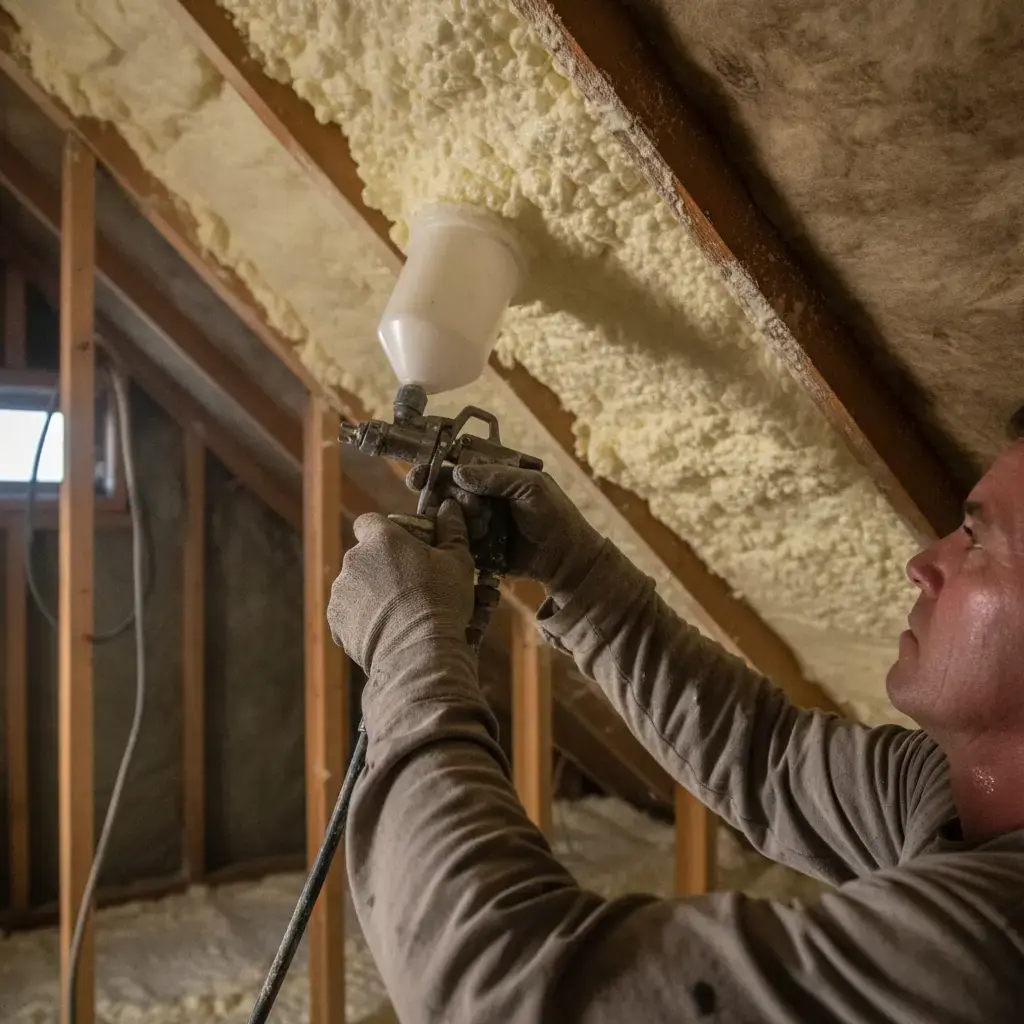
Rockwool insulation — also known as mineral wool or stone wool insulation — is a high-performance thermal and acoustic insulation material made from volcanic basalt rock and recycled slag. Engineered to withstand extreme temperatures, resist moisture, and reduce sound transmission, Rockwool has become one of the most trusted insulation solutions for Southern California homes and commercial buildings alike.
At Alhambra Insulation Masters, we specialize in professional Rockwool insulation installation for residential and commercial properties throughout Alhambra, CA. Our team understands the unique climate demands of the San Gabriel Valley — from scorching summer heat waves that push interior temperatures past 90°F to the cooler, damp winter nights that strain heating systems and create condensation risks inside walls. Whether you are insulating a 1940s craftsman bungalow in the Midwick Tract or a modern mixed-use building near Valley Boulevard, we deliver expert installation tailored to your structure and budget. Call us today at (626) 790-7419 to schedule your free assessment.
Understanding Rockwool Insulation
Rockwool insulation is manufactured by melting volcanic basalt rock and industrial slag at temperatures exceeding 2,900°F, then spinning the molten material into fine, interlocking fibers. These fibers are compressed into batts, boards, or loose-fill products that trap air and dramatically slow the transfer of heat, sound, and fire between building assemblies. The result is a product that outperforms fiberglass in several key categories: fire resistance up to 2,150°F, water repellency (Rockwool fibers are hydrophobic by nature), and superior sound attenuation with STC ratings commonly reaching 45–52.
The history of mineral wool insulation dates to the late 19th century, when engineers in Wales and Germany first discovered that molten slag could be spun into useful fibers. By the mid-20th century, stone wool products became widely adopted in Scandinavian and German construction, valued for their resilience in cold, damp climates. In the United States, Rockwool gained mainstream traction during the energy crises of the 1970s, and today brands like ROCKWOOL (formerly Roxul) dominate the professional insulation market.
Read moreShow less
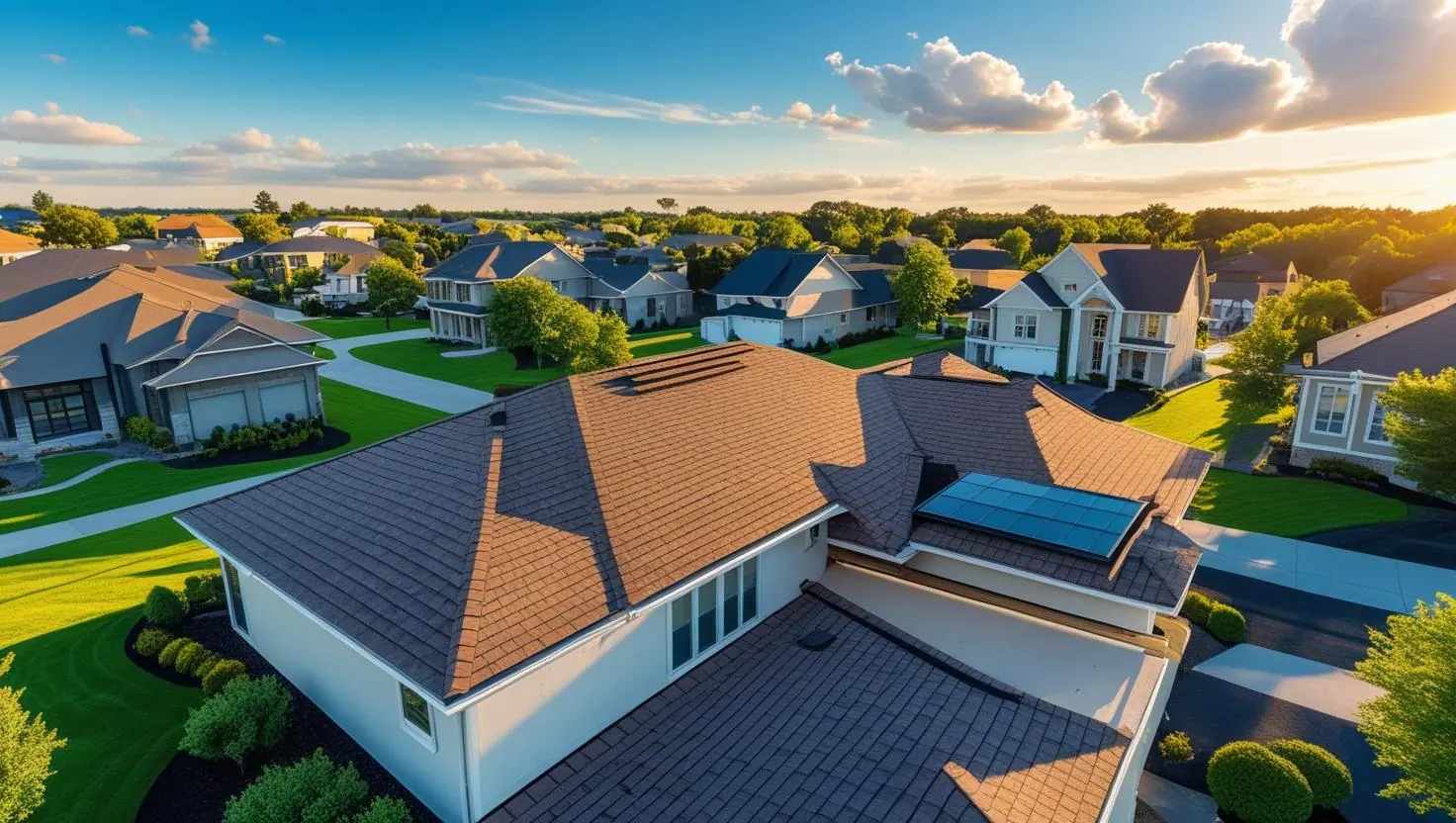
In Alhambra, CA, the prevalence of pre-1970 construction makes Rockwool especially relevant. A significant portion of the city’s housing stock — including Spanish Colonial Revival homes near Almansor Park, post-WWII tract houses along Garfield Avenue, and early 20th-century commercial blocks on Main Street — was built during an era when insulation standards were minimal or nonexistent. Many of these structures have wall cavities, attic spaces, and crawl spaces that are either completely uninsulated or filled with deteriorating fiberglass batts that have lost 30–50% of their original R-value due to age, moisture exposure, and settling.
Rockwool is available in multiple product forms suited to different building assemblies. Rockwool Safe’n’Sound batts are ideal for interior partition walls where noise reduction between rooms is the primary goal. Rockwool Comfortbatt products are designed for exterior wall cavities and attic floors, providing thermal performance at R-15 for a 2×4 wall and R-23 for a 2×6 wall. Rockwool Comfortboard rigid insulation is increasingly used for continuous exterior insulation layers on Alhambra’s commercial retrofit projects, helping buildings meet California’s updated Title 24 energy codes.
Because Rockwool does not absorb water, it maintains its R-value even in humid conditions — a critical advantage in Alhambra’s microclimatic zones near the concrete-lined Rio Hondo channel, where ground moisture and seasonal fog can compromise fiber-based insulation products over time.
Why Rockwool Insulation Is Needed in Alhambra, CA
Extreme Diurnal Temperature Swings
The San Gabriel Valley is well documented for wide temperature differentials between daytime highs and nighttime lows. During summer months, Alhambra regularly records afternoon highs between 95°F and 102°F, while nighttime temperatures drop to the mid-60s°F — a swing of 30°F or more within a single 24-hour period. This thermal cycling stresses building envelopes repeatedly, causing expansion and contraction in framing lumber, drywall, and insulation materials. Rockwool’s inorganic mineral fiber structure does not expand, contract, or off-gas under these conditions, unlike some foam-based alternatives.
Urban Heat Island Effect
Alhambra’s urban density — characterized by commercial corridors along Valley Boulevard and Main Street, dense apartment blocks near Fremont Avenue, and the extensive asphalt of the I-10 San Bernardino Freeway corridor — creates a measurable urban heat island effect. Studies of comparable San Gabriel Valley cities estimate urban heat island contributions of 3°F–8°F above regional baseline temperatures in densely built areas. Without adequate insulation, this additional heat load translates directly into higher air conditioning costs, with poorly insulated Alhambra homes spending an estimated $400–$900 more annually on cooling than well-insulated counterparts.
The 1971 Sylmar Earthquake and Structural Legacy
The February 9, 1971 Sylmar Earthquake (magnitude 6.6) caused widespread structural damage across the greater Los Angeles area, including Alhambra. Many homes underwent partial retrofits in the years that followed, but these repairs often disturbed existing insulation, left wall cavities open, or introduced gaps in the thermal envelope that were never properly addressed. Homes in the Midwick Tract and the residential blocks south of Hellman Avenue that show signs of prior earthquake retrofit work should be assessed for insulation continuity alongside structural evaluation.
Noise from the I-10 and Local Traffic Corridors
Alhambra residents living within 1,000 feet of the I-10 San Bernardino Freeway — which bisects the city’s southern neighborhoods — are exposed to sustained ambient noise levels of 65–75 decibels during peak traffic hours, according to Caltrans noise monitoring data. Rockwool’s dense fiber matrix provides outstanding sound transmission class (STC) performance, reducing airborne noise transmission through walls by 45–52 STC points when properly installed. Neighborhoods most affected include South Alhambra, the streets surrounding the Alhambra Transit Center on Main Street, and residential blocks adjacent to Garfield Avenue, a major north-south arterial with heavy commercial truck traffic.
Winter Condensation and Crawl Space Moisture
Alhambra’s winter seasons, while mild compared to national averages, bring sustained periods of overcast skies, morning fog, and overnight lows between 42°F and 50°F from December through February. Older homes without vapor barriers in their crawl spaces — a condition common in pre-1960 construction throughout the Emery Park and North Alhambra neighborhoods — experience ground moisture migration into floor assemblies. Because Rockwool fibers are hydrophobic, they shed water rather than absorbing it, making Rockwool crawl space insulation a far more durable choice than fiberglass in these conditions.
California Title 24 Energy Code Requirements
California’s Title 24 energy standards, updated most recently in the 2022 code cycle, establish minimum insulation R-values for new construction and significant renovations in Climate Zone 9, which covers Alhambra. Requirements include R-38 in attics, R-13 to R-21 in exterior walls, and R-19 in floors over unconditioned spaces. Many of Alhambra’s older homes fall well below these benchmarks, and Rockwool products are among the most practical solutions for achieving code compliance in retrofit applications without requiring major structural changes.
Free, no-obligation estimates
Talk to Alhambra Insulation Masters
Tell us what you need and we’ll take it from there.
Signs You Need Rockwool Insulation in Alhambra
Thermal Comfort Issues
- Rooms that feel noticeably hotter than the thermostat setting during Alhambra’s summer heat waves, particularly upper-floor bedrooms and south-facing rooms
- Cold floors in winter months, especially in homes with crawl spaces in the Emery Park or North Alhambra areas
- Drafts along baseboards, window frames, or interior walls even when doors and windows are closed
- HVAC system running continuously without reaching the set temperature, indicating significant heat gain or loss through the building envelope
Energy Bill Indicators
- Monthly electricity bills exceeding $180–$250 during summer for a typical 1,500–2,000 sq ft Alhambra home
- Year-over-year utility cost increases not explained by rate hikes alone
- Significant difference in energy consumption compared to neighboring homes of similar size
Acoustic and Structural Signs
- Clearly audible freeway noise from the I-10 inside bedrooms and living areas
- Visible gaps, settling, or deterioration in existing attic insulation when inspected from the attic hatch
- Musty odors from crawl spaces or wall cavities, suggesting moisture-damaged fiberglass or cellulose insulation
- Water stains on drywall or ceiling surfaces that may indicate condensation forming inside wall assemblies
Urgency Indicators
If you observe rodent activity, mold growth, or visible insulation damage following any plumbing leak or roof event, treat insulation assessment as urgent. Wet insulation loses effectiveness within days and can support mold colonization within 48–72 hours in Alhambra’s warm ambient temperatures.
Our process
Our Rockwool Insulation Process in Alhambra
- 01
Free On-Site Assessment (Day 1 — 1 to 2 Hours)
Our certified insulation specialist visits your Alhambra property to conduct a thorough visual inspection of attic spaces, wall cavities, crawl spaces, and basement areas where applicable. We use thermal imaging cameras to identify cold spots, heat bridges, an
- 02
Detailed Proposal and Material Selection (Days 1–3)
Based on our findings, we prepare a written proposal specifying Rockwool product types, target R-values per assembly, and estimated costs. We account for Alhambra’s Climate Zone 9 requirements under California Title 24 and identify any areas where insulation r
- 03
Insulation Removal (if Required — Day 2 or 3, 2 to 6 Hours)
Damaged, contaminated, or severely degraded existing insulation is removed using HEPA-equipped vacuum equipment. All debris is bagged and disposed of in compliance with Los Angeles County waste regulations. This step is commonly required in pre-1960 Alhambra h
- 04
Air Sealing and Preparation (Day 2 or 3, 1 to 3 Hours)
Before Rockwool batts are installed, we seal penetrations, gaps around recessed lights, plumbing chases, and electrical boxes using code-compliant fire-rated caulk and expanding foam. Air sealing in Alhambra’s older wood-frame structures is critical because ga
- 05
Rockwool Installation (Day 3 or 4, 4 to 8 Hours)
Rockwool batts are friction-fit into wall cavities, attic joist bays, and floor assemblies. Our installers cut and fit each batt precisely around obstructions to eliminate thermal bridging. For attic applications, we may supplement batt installation with blow-
- 06
Quality Inspection and Thermal Verification (Day 4 or 5 — 1 Hour)
After installation, we conduct a post-installation thermal scan to verify complete coverage and identify any missed areas. We provide a written completion report documenting installed R-values, materials used, and coverage areas for your records and any applic
- 07
Final Walkthrough and Client Education (Day 4 or 5 — 30 Minutes)
We walk you through the completed work, explain maintenance expectations, and answer any questions about maximizing energy savings with your new Rockwool installation.
Rockwool Insulation Methods and Approaches
Rockwool Batt Installation (Open Wall Cavities and Attic Floors)
The most common method for new construction and major renovation projects, batt installation involves cutting pre-formed Rockwool panels to fit between framing members. This method is ideal for Alhambra properties undergoing kitchen or bathroom remodels where walls are open, or for full attic floor insulation projects. Batts achieve consistent R-values (R-15 in 2×4 walls, R-23 in 2×6 walls) with no settling over time.
Blown-In Rockwool (Existing Closed Wall Cavities)
For Alhambra’s many older homes where walls cannot be opened without significant disruption, blown-in Rockwool loose fill can be injected through small holes drilled in exterior siding or interior drywall. This method allows retrofit insulation of closed wall cavities in 1930s–1960s Spanish Colonial and Craftsman homes throughout the Midwick Tract without full-scale renovation. Learn about our blow-in insulation services
Rockwool Comfortboard (Continuous Exterior Insulation)
Rigid Rockwool Comfortboard panels installed on building exteriors eliminate thermal bridging through studs — a significant heat loss pathway in wood-frame construction. This method is increasingly specified for Alhambra’s commercial retrofits along Valley Boulevard and Main Street where Title 24 compliance requires continuous insulation values of R-5 to R-10 on exterior assemblies.
Rockwool Crawl Space Insulation
Installed between floor joists in crawl space assemblies, Rockwool batts provide both thermal and acoustic benefits for Alhambra homes with unconditioned crawl spaces. Because Rockwool resists moisture absorption, it remains effective even in the damp crawl space environments common under homes near the Rio Hondo channel. View our crawl space insulation options
Hybrid Rockwool and Spray Foam Systems
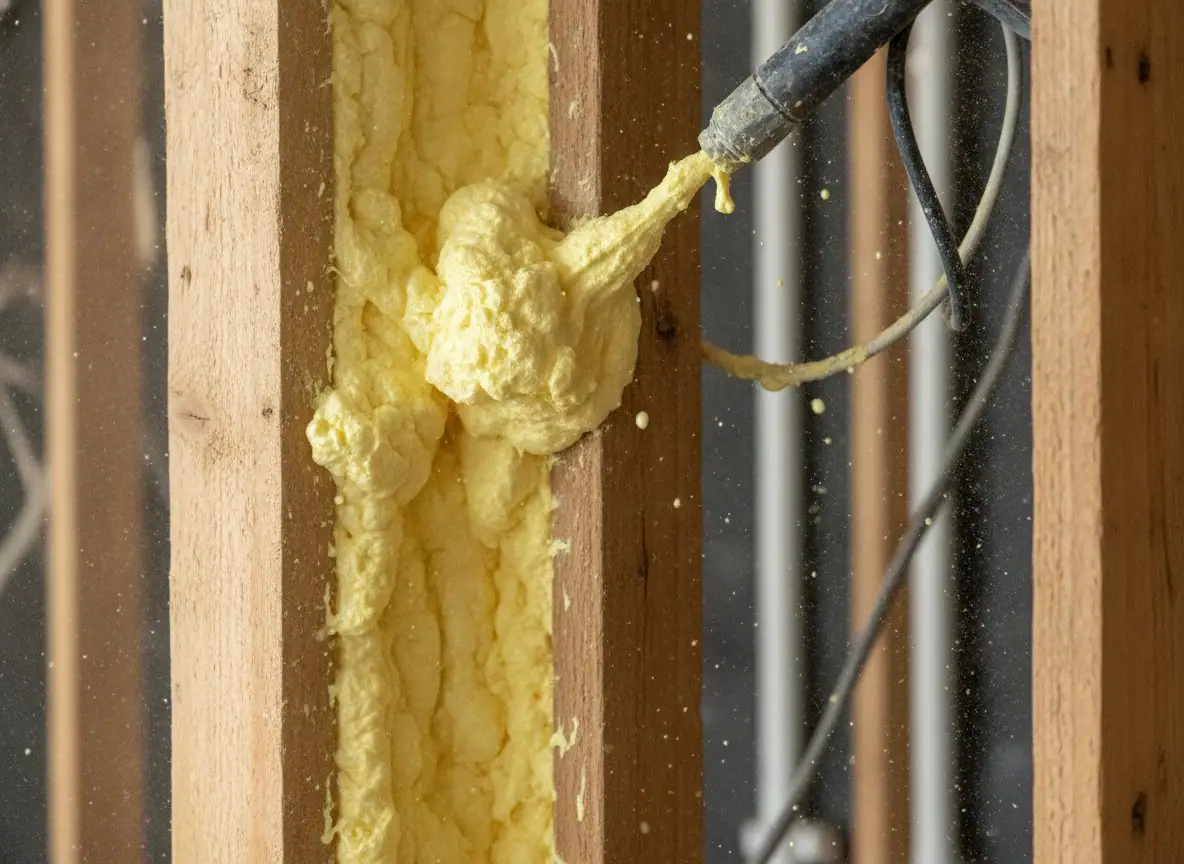
For maximum air sealing combined with thermal performance, we sometimes pair spray foam at connection points and penetrations with Rockwool batts filling the remaining cavity. This hybrid approach is particularly effective in Alhambra’s multifamily buildings along Fremont Avenue where both energy efficiency and fire resistance are code requirements. Explore our spray foam insulation services
Rockwool Insulation Cost in Alhambra, CA
Understanding the cost of Rockwool insulation in Alhambra helps homeowners budget accurately and evaluate bids. Pricing varies based on application type, coverage area, existing conditions, and accessibility.
Typical Price Ranges
- Attic Rockwool batt installation: $1.50–$3.00 per square foot, or $1,500–$4,500 for a typical 1,000–1,500 sq ft Alhambra attic floor
- Exterior wall cavity Rockwool batts (open wall): $2.00–$4.50 per square foot installed
- Blown-in Rockwool for closed wall cavities: $3.50–$6.00 per square foot installed, reflecting higher labor intensity
- Crawl space Rockwool insulation: $2.00–$4.00 per square foot, with additional costs if crawl space encapsulation is included
- Rockwool Comfortboard continuous exterior insulation: $4.00–$8.00 per square foot installed, depending on thickness and facade complexity
Read moreShow less
Cost Factors Specific to Alhambra
- Pre-existing insulation removal: Add $0.75–$2.00 per square foot if old fiberglass or cellulose must be removed first — a common need in Alhambra’s pre-1970 housing stock
- Permit fees: The City of Alhambra Building and Safety Division may require permits for significant insulation work; typical permit fees range from $100–$350
- Accessibility: Tight attic clearances, common in Alhambra’s low-pitch Spanish tile roof homes, increase labor time and cost by 15–25%
- California utility rebates: SoCalGas and Southern California Edison offer rebates of $0.10–$0.25 per square foot for qualifying insulation upgrades, reducing net cost for eligible Alhambra customers
Contact us at (626) 790-7419 for a detailed, no-obligation quote specific to your Alhambra property.
Neighborhoods We Serve in Alhambra
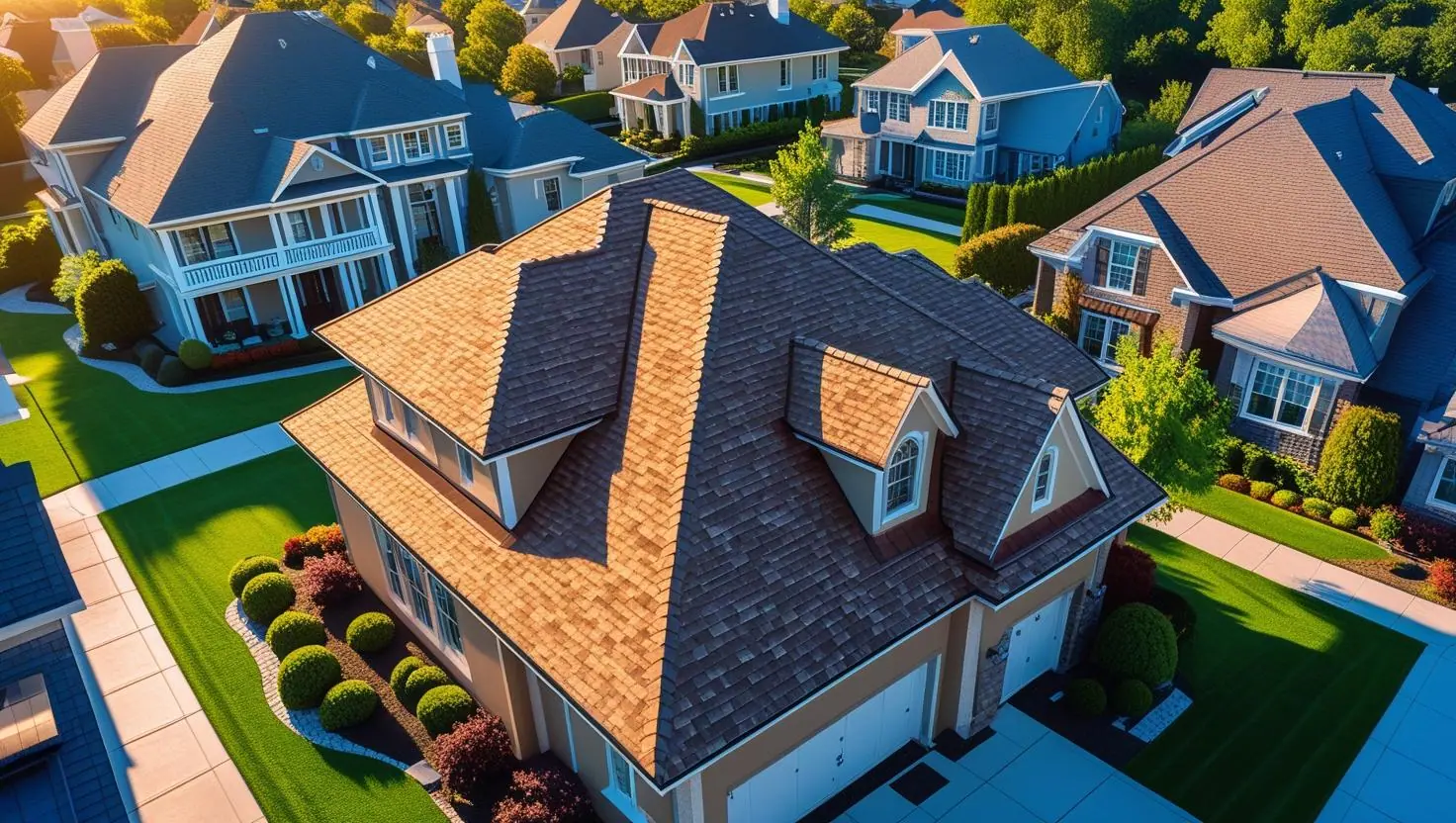
Midwick Tract
One of Alhambra’s most architecturally distinctive neighborhoods, the Midwick Tract features Spanish Colonial Revival and Mediterranean-style homes built primarily between 1920 and 1945. Many of these properties have plaster walls over wood lath with little to no original insulation in exterior cavities. Blown-in Rockwool is the preferred retrofit method here because it preserves historic interior finishes while dramatically improving thermal performance.
North Alhambra
North Alhambra’s residential streets contain a mix of 1950s and 1960s ranch-style homes with low-slope roofs and shallow attic clearances. Rockwool batt installation for attic floors and crawl space insulation are the most common services in this area, where aging fiberglass batts have settled and lost significant R-value over the past 50–60 years.
Emery Park
The Emery Park neighborhood near the Alhambra Park and Almansor Park corridor contains some of the city’s oldest residential construction, with bungalows and Craftsman homes dating to 1910–1935. Crawl space moisture is a documented concern in this area. Rockwool’s moisture resistance makes it the ideal insulation choice for floor assemblies and under-structure applications throughout Emery Park.
South Alhambra (I-10 Corridor)
Homes and apartment buildings within the I-10 freeway impact zone benefit significantly from Rockwool’s acoustic properties. South Alhambra residents frequently report freeway noise as a quality-of-life issue, and Rockwool Safe’n’Sound insulation in exterior walls and interior partitions provides meaningful noise reduction. See how spray foam complements Rockwool in high-noise applications
Maintaining Your Rockwool Insulation in Alhambra
- Annual attic inspection: Each fall, before Alhambra’s cooler winter months, inspect your attic insulation for signs of settling, displacement, or moisture. A visual check from the attic hatch takes less than 10 minutes and can catch problems early.
- Control crawl space moisture: In Alhambra’s older homes, maintain crawl space vapor barriers and ensure ground cover is intact and overlapped by at least 12 inches at seams. Pair with crawl space encapsulation for maximum moisture control.
- Seal attic penetrations promptly: New recessed light installations, plumbing additions, or HVAC modifications can create gaps in the thermal envelope. Seal all new penetrations with fire-rated caulk within 30 days of any construction work.
- Check for pest intrusion: Alhambra’s urban environment means occasional rodent pressure. Inspect insulation annually for signs of nesting or tunneling, which can displace batts and reduce R-value.
- Monitor HVAC filter life: A clogged HVAC filter forces your system to work harder against a well-insulated envelope. Replace filters every 60–90 days during Alhambra’s high-use summer season.
- Review utility bills seasonally: A sudden increase in energy costs without a weather explanation may indicate insulation damage or displacement requiring inspection.
- Schedule a professional reassessment every 10 years: Even durable Rockwool benefits from periodic professional review, especially after any plumbing leak, roof repair, or pest treatment event.
Why Choose Alhambra Insulation Masters
At Alhambra Insulation Masters, we are a locally focused insulation contractor with deep knowledge of the San Gabriel Valley’s construction stock, climate conditions, and energy code requirements. We do not send out-of-area crews unfamiliar with Alhambra’s unique building types — every project is staffed by technicians who understand the difference between a 1920s Midwick Tract plaster wall and a 1970s North Alhambra drywall assembly, and who know how to approach each appropriately.
We offer the full spectrum of insulation services under one roof: insulation installation, spray foam insulation, attic insulation, blow-in insulation, crawl space encapsulation, crawl space insulation, insulation removal, and insulation replacement. This comprehensive capability means you work with one trusted contractor from initial assessment through final inspection.
Read moreShow less
We provide written proposals with transparent, itemized pricing — no hidden fees, no surprise change orders. Our team stays current on California Title 24 requirements and Southern California utility rebate programs so we can help you maximize your investment. Call (626) 790-7419 to speak directly with a local insulation expert today.
FAQ
Frequently Asked Questions About Rockwool Insulation in Alhambra, CA
How much does Rockwool insulation cost in Alhambra, CA?
Rockwool insulation in Alhambra typically costs between $1.50 and $6.00 per square foot installed, depending on the application. Attic floor batt installation runs $1,500–$4,500 for most Alhambra homes. Blown-in Rockwool for closed wall cavities costs more due to labor complexity. SoCalGas and SCE rebates can offset a portion of these costs for qualifying installations.
Is Rockwool better than fiberglass for Alhambra homes?
For most Alhambra applications, Rockwool outperforms fiberglass in three critical categories: moisture resistance, fire resistance, and acoustic performance. Given Alhambra’s combination of summer heat, crawl space moisture near the Rio Hondo channel, and I-10 freeway noise impact, Rockwool’s advantages are particularly relevant to local homeowners. Fiberglass loses R-value when wet; Rockwool does not.
How long does Rockwool insulation last in Southern California’s climate?
Rockwool insulation has a functional lifespan exceeding 50 years under normal conditions and does not degrade from UV exposure, heat cycling, or moisture in the way organic insulation materials can. In Alhambra’s climate — with its wide temperature swings and occasional crawl space moisture — Rockwool’s mineral composition means it will typically outlast the building components around it.
Do I need a permit for Rockwool insulation installation in Alhambra?
Permit requirements depend on the scope of work. The City of Alhambra Building and Safety Division generally requires permits for insulation work that accompanies structural changes or HVAC modifications. Stand-alone insulation additions in attics or crawl spaces may qualify for exemption, but we verify permit requirements for every project and handle the application process on your behalf when required.
How long does Rockwool installation take for a typical Alhambra home?
A standard Rockwool attic insulation project for a 1,200–1,800 sq ft Alhambra home typically takes one full day — including air sealing, batt installation, and quality verification. Projects involving insulation removal, crawl space work, or closed wall cavity injection may require two to three days. We provide project-specific timelines in our written proposals.
Can Rockwool insulation reduce freeway noise from the I-10 in Alhambra?
Yes. Rockwool Safe’n’Sound and Comfortbatt products installed in exterior walls facing the I-10 corridor can reduce airborne sound transmission by 45–52 STC points when properly installed and combined with quality window and door sealing. South Alhambra residents living within 500–1,000 feet of the freeway report meaningful improvements in interior noise levels following complete wall insulation upgrades.
Does Rockwool insulation qualify for California energy rebates?
Qualifying Rockwool insulation upgrades in Alhambra may be eligible for rebates through Southern California Edison’s Energy Upgrade California program and SoCalGas rebate offerings. Rebate amounts vary by measure type and installation specifications, typically ranging from $0.10 to $0.25 per square foot. We help our clients identify and apply for all applicable rebates as part of our service process.
What is the difference between Rockwool and spray foam insulation for Alhambra applications?
Rockwool excels at thermal and acoustic insulation in standard wall, attic, and crawl space cavities, and it maintains breathability without the vapor barrier complications of closed-cell spray foam. Spray foam, by contrast, provides an air-impermeable seal ideal for irregular geometries, rim joists, and areas where air infiltration is the primary concern. Learn more about spray foam insulation Many of our Alhambra projects use both products strategically — spray foam for sealing, Rockwool for bulk thermal and acoustic performance.
Get Your Free Rockwool Insulation Quote in Alhambra Today
Whether you live in the historic Midwick Tract, a post-war ranch in North Alhambra, or a South Alhambra apartment building within earshot of the I-10, Alhambra Insulation Masters is ready to help you achieve a more comfortable, energy-efficient, and quieter property with professional Rockwool insulation installation.
Our team provides honest assessments, transparent pricing, and expert installations built around the specific demands of Alhambra’s climate, architecture, and energy codes. We serve all neighborhoods throughout Alhambra and the surrounding San Gabriel Valley.
Call us now at (626) 790-7419 to schedule your free on-site evaluation. You can also reach us through our contact page for written inquiries. Stop overpaying on energy bills and start enjoying the comfort your home deserves — contact Alhambra Insulation Masters today.
Get in touch
Find insulation help near you
Request a free estimate online or give us a call — our team will follow up quickly.
- Call us(626) 790-7419
- Visit901 S Fremont Ave, Alhambra, CA 91803
- HoursMon-Sun 07:00-19:00