
Basement Insulation in Alhambra, CA
Energy-Saving Basement Insulation for Alhambra, CA Homes — Licensed & Insured
Need basement insulation in Alhambra, CA? Alhambra Insulation Masters offers expert installation, spray foam & moisture solutions. Call (626) 790-7419 for a free estimate.
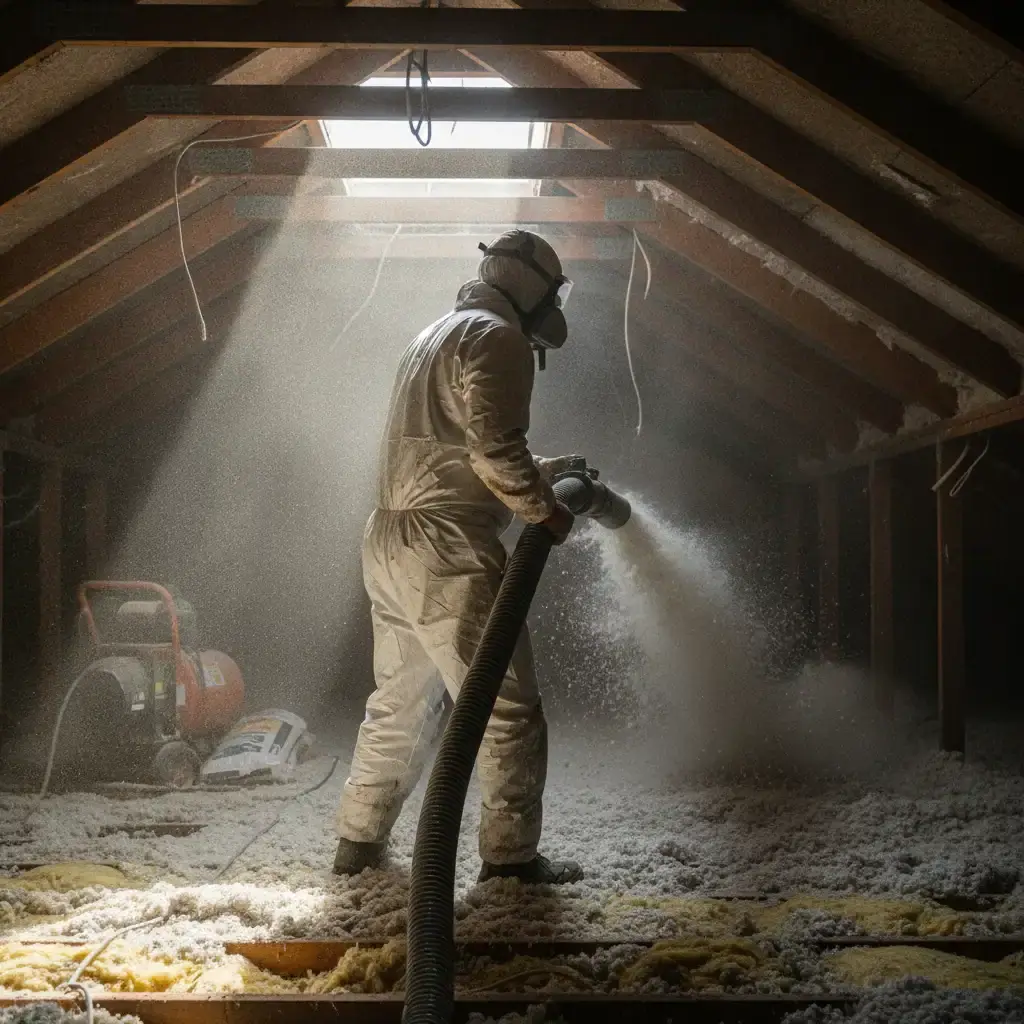
Basement insulation is the process of thermally and moisture-sealing the below-grade or semi-below-grade spaces beneath your home, preventing energy loss, moisture intrusion, and air quality problems before they escalate into costly structural damage. In Alhambra, CA, where the San Gabriel Valley’s unique combination of marine-influenced humidity, clay-heavy soils, and aging housing stock creates a particularly demanding environment for basement spaces, proper insulation is not a luxury — it is a structural necessity.
Alhambra Insulation Masters specializes in basement insulation solutions tailored specifically to the construction styles, climate patterns, and soil conditions found throughout the city of Alhambra and the surrounding San Gabriel Valley. Whether your home was built in the early 1920s Craftsman era or during the postwar suburban expansion of the 1950s and 1960s, our team understands the unique challenges your basement or sub-floor space faces every season. Call us today at (626) 790-7419 to schedule your assessment.
Understanding Basement Insulation in Alhambra, CA
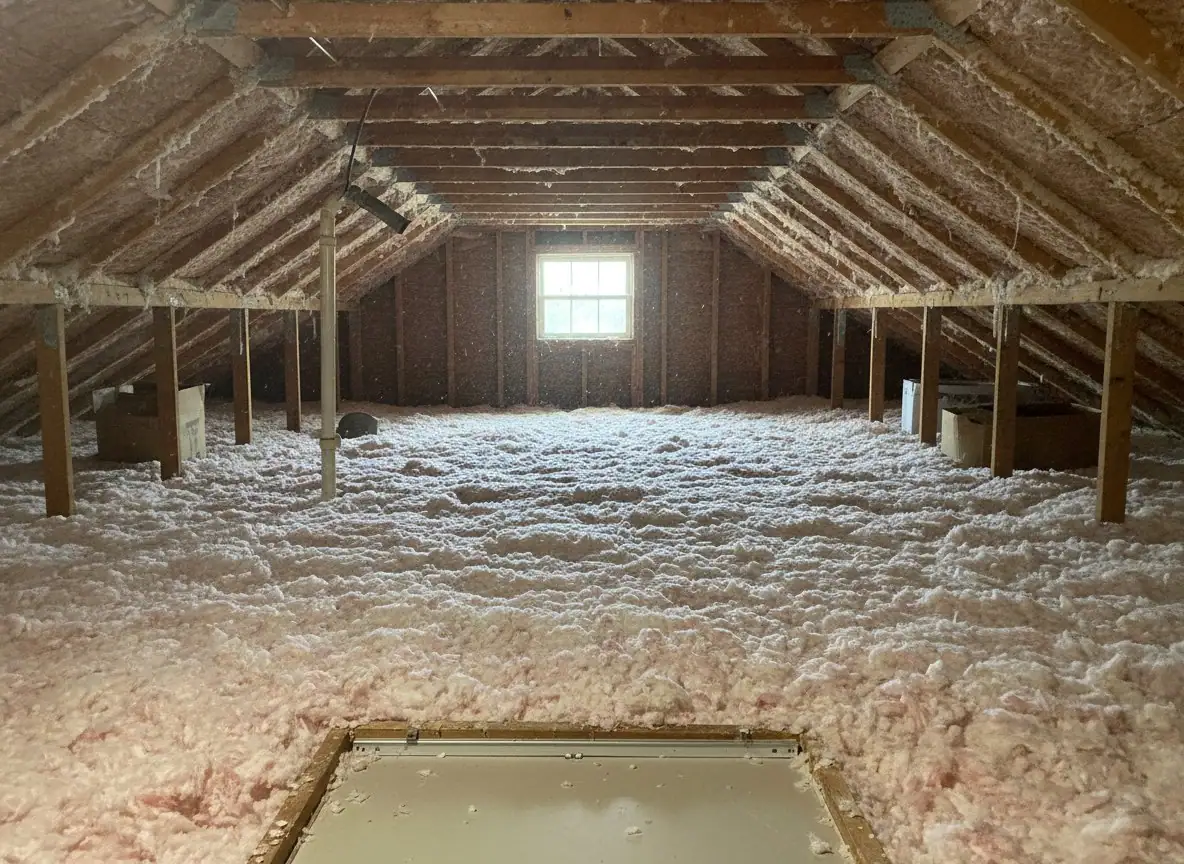
Basement insulation refers to the installation of thermal barrier materials along the walls, floor, rim joists, and ceiling of a home’s below-grade space. The goal is to create a controlled thermal envelope that keeps conditioned air inside the living space while blocking unconditioned, moisture-laden air from migrating upward into the home.
In California’s construction history, full basement spaces are far less common than in colder Midwest or East Coast climates. However, Alhambra presents an interesting historical exception. The city’s rapid development between 1900 and 1945 produced a significant number of homes with partial basements, utility sub-spaces, and deep crawl spaces — many of which functioned similarly to basements and face the same insulation challenges. The Craftsman bungalows and Spanish Colonial Revival homes that define Alhambra’s architectural character along streets like Alhambra Road and Chapel Avenue were frequently built with concrete or brick-walled below-grade utility rooms. These spaces were never designed with modern energy efficiency standards in mind.
Read moreShow less
Over the decades, California’s Title 24 Energy Code has become increasingly stringent, requiring homeowners who renovate or reroof to bring insulation values up to current standards. For Alhambra homeowners, this frequently triggers a basement or sub-floor insulation project they may not have anticipated. The current minimum R-value requirements for floor assemblies in California’s Climate Zone 9 — which covers Alhambra — is R-19, a standard that many pre-1980 homes fail to meet.
Understanding the different insulation types available is essential before selecting the right solution. Spray foam, blown-in fiberglass or cellulose, rigid foam board, and batts each behave differently in basement environments. The presence of moisture, the type of wall construction (poured concrete, concrete block, or brick), and the proximity to Alhambra’s high water table in certain neighborhoods all determine which product will perform reliably over time.
Basement insulation also plays a critical role in indoor air quality. A poorly insulated or unencapsulated basement becomes a conduit for soil gases, including radon, mold spores, and volatile organic compounds, which migrate upward through gaps in floor assemblies into living spaces where families spend most of their time.
Why Basement Insulation Is Needed in Alhambra, CA
The San Gabriel Valley’s Expansive Clay Soils
Much of Alhambra sits atop Montebello Formation and older alluvial fan deposits that contain significant clay content. These soils expand when wet and contract during dry periods, creating cyclical pressure changes on foundation walls and below-grade slabs. During California’s periodic drought-and-rain cycles — most dramatically illustrated by the atmospheric river events of January 2023 that deposited over 7 inches of rain on the San Gabriel Valley in a matter of days — basement walls experience hydrostatic pressure spikes that drive moisture through concrete and mortar joints. Without a properly installed vapor barrier and insulation system, this moisture migrates directly into living spaces.
Climate Zone 9 Temperature Differentials
Alhambra sits in California Climate Zone 9, which is characterized by hot, dry summers where temperatures routinely reach 95°F to 100°F and mild but damp winters where nighttime lows can dip to 38°F to 42°F. This approximately 55- to 60-degree seasonal swing creates significant thermal stress on uninsulated basement walls and floor assemblies. Homes in the Midwick Tract neighborhood, for example, built primarily between 1925 and 1940, frequently show energy bills 30% to 40% higher than comparably sized newer homes — a difference attributable in large part to uninsulated sub-floor spaces pulling conditioned air downward in summer.
Proximity to the San Gabriel River Watershed
The eastern portions of Alhambra, particularly neighborhoods near Almansor Park and south of Valley Boulevard, sit within or adjacent to historical drainage patterns connected to the San Gabriel River watershed. Seasonal groundwater fluctuations in these areas can raise the local water table by 2 to 4 feet during wet winters, creating persistent moisture conditions in basement and sub-floor spaces that are not present in drier months. Homeowners in these zones who lack adequate insulation and vapor control frequently report musty odors, visible efflorescence on concrete walls, and wood rot in floor joists by the time they seek professional help.
Aging Housing Stock and Deferred Maintenance
Alhambra’s median housing age exceeds 65 years, with a substantial portion of the housing stock dating to before World War II. Homes in the North Alhambra area and along Fremont Avenue corridors commonly feature original fiberglass batts that have compressed to less than half their installed thickness — reducing effective R-values from R-19 to as low as R-6 or R-7 in some inspections our team has conducted. Compressed or moisture-damaged insulation becomes a thermal liability rather than an asset, and in many cases, also harbors mold colonies that contribute to household allergy and respiratory issues.
Seismic Activity and Foundation Movement
Alhambra lies within approximately 5 miles of the Raymond Fault, which last produced a significant event in 1988 and is considered capable of producing a 6.0 magnitude earthquake. Seismic movement — even minor tremors — can open micro-fractures in basement walls, creating new pathways for moisture and air infiltration that compound existing insulation failures.
Free, no-obligation estimates
Talk to Alhambra Insulation Masters
Tell us what you need and we’ll take it from there.
Signs You Need Basement Insulation in Alhambra
Energy and Comfort Indicators
- Unusually high SoCalEdison electricity bills during June through September, particularly if monthly cooling costs exceed $180 to $220 for a standard 1,400 to 1,800 square foot home
- Floors that feel noticeably cold in winter, especially in first-floor rooms directly above the basement or crawl space
- Inconsistent room temperatures, with rooms over uninsulated spaces staying 5°F to 8°F cooler or warmer than the rest of the home
- HVAC system running continuously during peak summer or winter periods without reaching set temperature
Moisture and Structural Indicators
- Visible water stains, white mineral deposits (efflorescence), or dark discoloration on basement walls or floor joists
- Musty or earthy odors that intensify after rainfall — a common complaint following Alhambra’s winter storm season
- Visible mold colonies on fiberglass batts or wood framing members
- Sagging or softened flooring directly above the basement, indicating moisture-damaged subfloor sheathing
- Pest activity — rodents and insects are attracted to moisture-damaged insulation, which also provides nesting material
Urgency Indicators
If you observe active water intrusion during or after rain events, or if you notice any discoloration or softening of structural floor joists, contact Alhambra Insulation Masters immediately at (626) 790-7419. These conditions indicate that moisture damage has already progressed beyond insulation failure to potential structural compromise.
Our process
Our Basement Insulation Process in Alhambra
- 01
Comprehensive Inspection and Assessment (Day 1 — 1 to 2 Hours)
Every project begins with a thorough visual and instrument-assisted inspection of your basement or sub-floor space. Our technicians use moisture meters, thermal imaging cameras, and air quality sensors to map existing insulation performance, identify moisture
- 02
Customized Project Plan and Material Selection (Day 1 to Day 2)
Based on inspection findings, we develop a project plan specifying insulation type, R-value targets, vapor barrier requirements, and sequencing. We confirm that all material specifications meet California Title 24, Climate Zone 9 requirements and obtain any ne
- 03
Old Insulation Removal and Disposal (Day 2 to Day 3 — 4 to 8 Hours)
Where existing insulation is present, our insulation removal team extracts and disposes of all compromised material in accordance with California disposal regulations. This step often reveals hidden moisture damage, mold growth, or pest infestations that requi
- 04
Moisture Remediation and Air Sealing (Day 3 to Day 4 — 3 to 6 Hours)
For Alhambra homes with known moisture issues — particularly those in lower-elevation neighborhoods near Almansor Park — we apply waterproofing sealants to concrete walls, install drainage matting where needed, and conduct comprehensive air sealing of all rim
- 05
Vapor Barrier Installation (Day 4 — 2 to 4 Hours)
A minimum 10-mil reinforced polyethylene vapor barrier is installed across all exposed soil or concrete floor surfaces as part of our crawl space encapsulation protocol, creating a continuous moisture management system.
- 06
Insulation Installation (Day 4 to Day 5 — 4 to 10 Hours Depending on Scope)
Primary insulation is installed per the approved plan — spray foam, blown-in, or rigid board — with continuous quality checks for coverage consistency and R-value achievement.
- 07
Final Inspection and Documentation (Day 5 — 1 to 2 Hours)
We conduct a post-installation thermal scan, provide before-and-after documentation, and walk homeowners through all completed work and maintenance recommendations.
Basement Insulation Methods and Approaches
Spray Foam Insulation
Our spray foam insulation service is the highest-performance option for Alhambra basement walls. Closed-cell spray foam achieves R-6 to R-7 per inch while simultaneously acting as a Class II vapor retarder, making it ideal for homes with moisture-prone concrete block or brick walls. Two-inch application on wall surfaces achieves approximately R-13, while 3-inch coverage reaches R-19. This method is particularly recommended for homes in eastern Alhambra neighborhoods with known groundwater concerns.
Learn moreBlown-In Insulation
Our blow-in insulation service using dense-pack cellulose or fiberglass is highly effective for insulating floor assemblies — the underside of first-floor framing above basement spaces. Dense-pack cellulose at 3.5 pounds per cubic foot achieves R-13 in a standard 2×4 joist bay and is an excellent choice for Alhambra Craftsman homes with irregular joist spacing and numerous penetrations.
Rigid Foam Board Insulation
Polyisocyanurate or extruded polystyrene rigid boards are used to insulate poured concrete basement walls when spray foam budget is a concern. Installed with mechanical fasteners and seams taped, 2-inch polyiso board achieves R-13 and provides a solid substrate for finish wall applications.
Fiberglass Batt Insulation
Standard attic insulation-grade fiberglass batts are suitable for dry, conditioned basement spaces where moisture is not a concern. R-19 batts in floor joists meet California Title 24 Zone 9 minimums and are the most cost-effective option for homes with documented dry basement conditions.
Hybrid Systems
Many Alhambra homes benefit from hybrid approaches: a 1-inch closed-cell spray foam air and vapor seal on walls followed by blown-in cellulose to achieve target R-values at lower cost than full spray foam coverage.
Basement Insulation Cost in Alhambra, CA
Understanding basement insulation costs helps Alhambra homeowners budget accurately and evaluate proposals. The following ranges reflect current material and labor pricing in the Alhambra and greater San Gabriel Valley market.
Alhambra Neighborhoods We Serve
North Alhambra (Fremont Avenue Corridor)
Homes in North Alhambra along the Fremont Avenue corridor date primarily from the 1920s to 1940s and feature Craftsman bungalows with shallow partial basements or deep crawl spaces. Original wood-framed rim joists in these homes are frequently the primary source of air and moisture infiltration, and our crawl space insulation services are heavily utilized here.
Midwick Tract
The Midwick Tract, developed primarily between 1925 and 1942, contains some of Alhambra’s finest Spanish Colonial Revival and Period Revival homes. These properties often have concrete-block basement walls with no original insulation, and their ornate character means that interior finish work must be carefully planned around any new insulation installation.
South Alhambra (Near Almansor Park)
South Alhambra homes, particularly those within two blocks of Almansor Park, sit in one of the city’s lowest-elevation zones and experience the greatest groundwater pressure challenges. Moisture-management-first installation protocols are standard for all basement insulation projects in this area.
Downtown Alhambra and Valley Boulevard Corridor
Mixed residential and commercial buildings along the Valley Boulevard corridor include postwar construction from the 1950s and 1960s, featuring concrete slab foundations in some cases and partial basements in others. Utility basement spaces beneath older commercial-residential mixed buildings in this zone require specialized access and fire-rated insulation materials.
Basement Insulation Maintenance Tips for Alhambra Homeowners
- Inspect annually after the rainy season (March or April): Alhambra’s winter rain events — particularly the intense atmospheric river storms that have become more frequent since 2017 — create the highest risk of moisture infiltration. A post-storm inspection can catch problems before they damage insulation.
- Monitor indoor humidity levels: Maintain basement relative humidity below 60% year-round. In Alhambra’s humid late-summer monsoon-influenced periods, consider running a basement dehumidifier.
- Clear perimeter drainage: Ensure that soil grade around your home’s foundation slopes away at a minimum of 6 inches over 10 feet — a standard that many of Alhambra’s older homes fail to meet after years of landscaping changes.
- Inspect vapor barriers every two to three years: Check for punctures, tears, or areas where the barrier has pulled away from walls or penetrations.
- Check for pest activity: Alhambra’s urban rodent population, particularly active in fall months, frequently damages insulation. Look for nesting material or gnaw marks in accessible basement spaces.
- Maintain gutters and downspouts: Clogged gutters contribute significantly to basement moisture problems throughout Alhambra. Clean gutters at least twice annually — before and after the Santa Ana wind season drops debris.
- Test HVAC efficiency annually: A significant drop in HVAC efficiency between years can indicate newly compromised insulation, even when visible damage is not apparent.
Why Choose Alhambra Insulation Masters for Your Basement Insulation
Alhambra Insulation Masters is a locally focused insulation contractor with deep knowledge of the specific construction types, soil conditions, climate patterns, and regulatory environment unique to Alhambra and the San Gabriel Valley. Unlike regional or national insulation chains that apply one-size-fits-all solutions, our team has inspected and insulated hundreds of Alhambra homes spanning every era of the city’s development — from pre-war Craftsman bungalows in the Fremont Avenue corridor to postwar ranch homes in South Alhambra.
We are fully familiar with California Title 24 Climate Zone 9 requirements and the City of Alhambra’s building permit process, ensuring that every installation is code-compliant and documentable for future resale or refinancing purposes. Our technicians are trained in moisture-first installation protocols appropriate for the unique groundwater and clay-soil conditions found in Alhambra’s lower-elevation neighborhoods.
Read moreShow less
We offer comprehensive services beyond insulation installation, including insulation removal, insulation replacement, and crawl space encapsulation, meaning we can handle every aspect of your basement’s thermal and moisture management in a single coordinated project. Contact us today at (626) 790-7419 to speak with a local expert.
FAQ
Frequently Asked Questions About Basement Insulation in Alhambra, CA
How much does basement insulation cost in Alhambra, CA?
Basement insulation in Alhambra typically costs between $1,350 and $5,800 depending on square footage, insulation type, and whether moisture remediation or old insulation removal is required. Spray foam projects trend toward the higher end, while blown-in floor insulation projects are generally more affordable. Call us at (626) 790-7419 for a free site-specific estimate.
Do I need a permit for basement insulation in Alhambra?
In most cases, yes. The City of Alhambra Building and Safety Division requires permits for insulation work that is part of a renovation project subject to Title 24 compliance. Permit fees typically range from $150 to $400. Alhambra Insulation Masters handles the permit application process as part of our service for applicable projects.
What R-value do I need for basement insulation in Alhambra’s climate zone?
Alhambra is located in California Climate Zone 9. The current Title 24 minimum R-value for floor assemblies is R-19. For basement walls, R-13 to R-15 is the typical minimum, though we recommend R-19 to R-21 for optimal energy performance given Alhambra’s 55-degree seasonal temperature swing.
How long does basement insulation installation take in a typical Alhambra home?
Most Alhambra basement insulation projects are completed in 2 to 5 days. A straightforward blown-in floor insulation project in a dry, accessible space may be completed in a single day, while a full spray foam wall and floor assembly project with vapor barrier installation and old insulation removal typically requires 3 to 5 days.
Is spray foam or blown-in insulation better for Alhambra basement walls?
For basement walls with known moisture exposure — common in South Alhambra and eastern neighborhoods near the San Gabriel River drainage — closed-cell spray foam is strongly preferred because it functions as a vapor barrier as well as a thermal barrier. For dry, interior-facing walls, blown-in or rigid board insulation is a cost-effective alternative.
What is crawl space encapsulation and do I need it in Alhambra?
Crawl space encapsulation involves sealing the entire crawl space with a continuous vapor barrier, air-sealing all penetrations, and installing insulation to create a controlled environment. In Alhambra, homes with crawl spaces in lower-elevation neighborhoods or near historical drainage ways strongly benefit from encapsulation. Learn more at our crawl space encapsulation page.
Can basement insulation help with the musty odors common in older Alhambra homes?
Yes. Musty odors in Alhambra homes are typically caused by moisture-laden air from uninsulated or inadequately sealed basement and crawl space areas migrating upward into living spaces. Proper insulation combined with vapor barrier installation blocks this air pathway and, in most cases, eliminates musty odors within weeks of installation.
What signs indicate that my Alhambra home’s existing basement insulation has failed?
Key failure indicators include compressed or discolored fiberglass batts (often appearing yellow-brown rather than white or pink), visible mold colonies on insulation or adjacent wood framing, a musty odor that worsens after Alhambra’s winter rainstorms, elevated energy bills, and cold floors during winter months. Our free inspection can determine whether repair or full replacement is needed.
Get Expert Basement Insulation in Alhambra, CA Today
Your home’s basement is the foundation of its thermal and structural health. Whether you are dealing with high energy bills, moisture problems after Alhambra’s winter storms, or simply looking to bring your pre-war bungalow up to California’s current energy standards, Alhambra Insulation Masters has the local knowledge and technical expertise to deliver results that last.
We serve all Alhambra neighborhoods — from Midwick Tract to South Alhambra — with solutions customized to the real conditions your home faces. Our team is ready to inspect, advise, and install with the care and precision that local homeowners deserve.
Call us today at (626) 790-7419 to schedule your free on-site basement insulation assessment. You can also reach us through our contact page to request a written estimate. Do not let another Alhambra storm season catch your home unprepared.
Get in touch
Find insulation help near you
Request a free estimate online or give us a call — our team will follow up quickly.
- Call us(626) 790-7419
- Visit901 S Fremont Ave, Alhambra, CA 91803
- HoursMon-Sun 07:00-19:00